
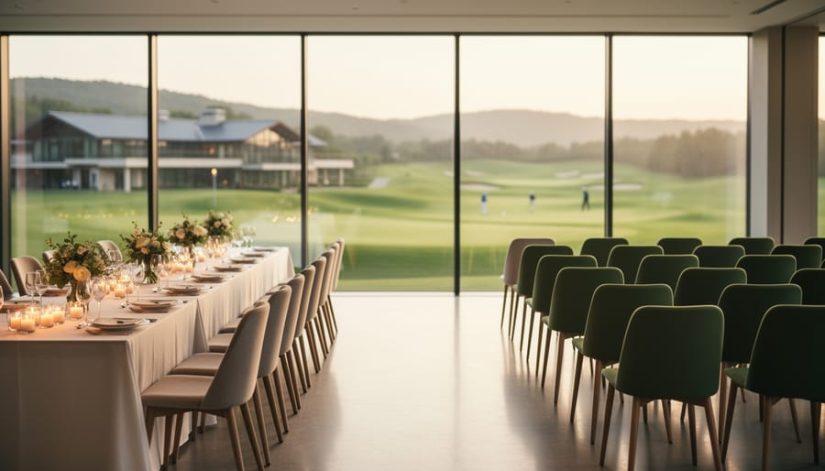
The purpose of your event is the single most useful thing you can settle before you look at a function room. It tells you how many people to plan for, how the space should flow, how much quiet or buzz you want, and what the setting needs to offer. A retirement dinner, a child’s birthday and a corporate planning day all call for different rooms, even when the guest count is the same.
Think of it this way. A wedding reception wants a room that feels like a backdrop for photographs and long toasts. A family reunion wants space for grandparents to sit comfortably while the kids drift outdoors. A business meeting wants calm, good sightlines and a view that keeps people refreshed rather than distracted. Name the purpose first, and the venue choice gets much easier.
That’s especially true at a golf club, where the surroundings do half the work. Rolling fairways, open sky and a room that looks out over them can turn a simple gathering into the part of the year people remember. This guide helps you match common event purposes to the right setup, put your own purpose into words, and take a short list of sharp questions to any venue.
Why Purpose Comes Before Everything Else
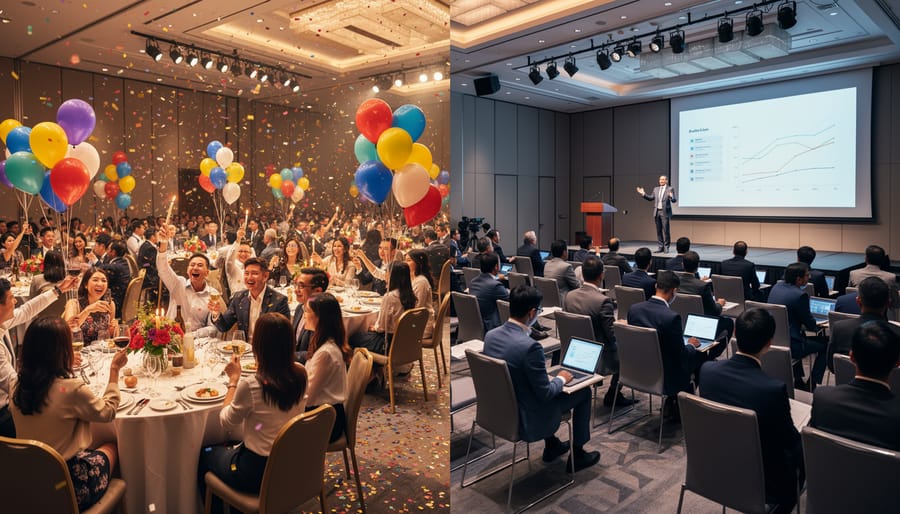
Every practical choice you make about an event traces back to one question: why are you gathering? Room size follows the guest list, but the guest list follows the occasion. Layout depends on whether people will be dancing, listening to speeches, or mingling over appetizers. Even timing and food quietly take their cue from purpose, since a morning planning session and an evening anniversary dinner need very different rhythms and menus.
Picture the same room on two different days. On a Friday evening, it’s set with round tables, soft lighting, and a small dance floor. A couple is celebrating twenty-five years together, and the windows frame the course as the sun sinks low over the greens. On Monday morning, the very same room has rows of chairs facing a screen, coffee stations along one wall, and a team settling in for a day of planning. Same walls, same view, but the mood couldn’t be more different. The room didn’t change. The purpose did.
That’s why clarifying purpose early is such a gift to yourself. When you know what the gathering is meant to achieve, decisions about budget, seating, and catering start to fall into place instead of competing for attention. You spend less time second-guessing and more time looking forward to the day itself.
Matching Common Event Purposes to the Right Function Room Setup
Weddings, Anniversaries, and Milestone Celebrations
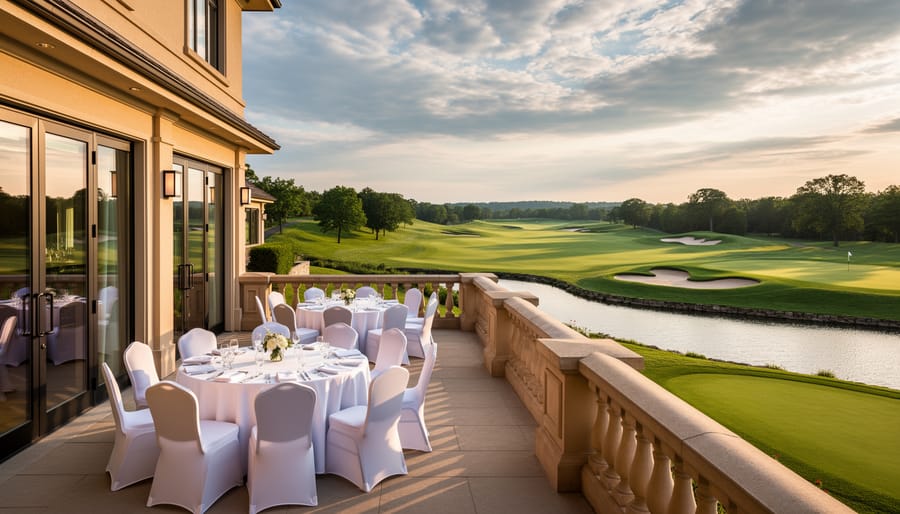
When the purpose of your event is romance or remembrance, the setting does a lot of quiet work. A wedding, an anniversary dinner, or a milestone birthday asks for a room that photographs beautifully and still feels easy to move around in. Picture the golden-hour light stretching over the greens just as the speeches wrap up, and suddenly every guest has a reason to step outside with a camera in hand. Couples hunting for scenery inspiration often find that a course view gives them more than a backdrop; it gives the day its mood.
Inside, flexibility matters. A good celebration room can shift from a seated dinner to an open dance floor without feeling like a different event. Think about guests of all ages too: grandparents who want a comfortable seat near the action, little ones who need space to wiggle, and friends who will be on the dance floor until the last song. The Oakmont clubhouse is the kind of place where those layouts can adapt around your people, so the focus stays on the moment you came to celebrate.
Family Gatherings and Children’s Parties
When the purpose is simply getting the family together, the best function room is the one that lets everyone relax. Think of a children’s birthday party: the kids need space to move, parents want a spot to chat within sight of them, and grandparents appreciate a comfortable chair away from the noise. A flexible layout, with a few long tables for the cake and food and softer seating nearby, handles all of it.
Easy access to the outdoors makes a big difference here. When little ones get restless, a short walk onto the grounds lets them burn off energy while the scenic views keep the adults content. Many families also like to pair a party with a visit to the swimming pool or a family package, turning one afternoon into a full day out.
Multiple generations means multiple needs, so keep an eye on the details: step-free routes for older relatives, a quieter corner for naps, and food that suits both picky eaters and grown-up tastes. Get those right, and the room fades into the background while the memories take over.
Corporate Meetings, Team Events, and Golf Outings
When the purpose of your event is business, the function room has to do two jobs at once: keep people focused and make them want to stay. A planning session or training day usually calls for a meeting-style setup with clear sightlines, a screen, and a quiet corner for breakouts. A client appreciation dinner or awards evening leans toward banquet seating, where conversation flows over a shared meal.
The setting does a lot of quiet work here. Teams that step out of the office and into a room overlooking the fairways tend to arrive more relaxed and leave more connected. That’s the appeal of pairing an agenda with a round of golf. A “scramble,” for example, is a friendly format where every player in a group hits from the best shot of the previous one, so beginners and seasoned players contribute equally. If your group likes a bit of friendly competition, our guide to golf tournaments shows how these days come together.
After the last putt, a post-round reception lets everyone swap stories over food and drinks. Decide early whether the day is mostly about business or bonding, and the right room setup follows naturally.
Fundraisers, Clubs, and Community Gatherings
Community gatherings run on a different kind of energy than a private celebration. Whether you’re hosting a charity dinner, an awards evening, or an association meeting, the purpose is usually about bringing people together around a shared cause, and the room should make everyone feel welcome the moment they walk in.
Accessibility matters more here than almost anywhere else. Guests may range from longtime members to first-time attendees, from teenagers receiving an award to grandparents cheering from the back table. Easy parking, step-free entry, and clear walkways help everyone settle in without fuss.
Think, too, about the moments that make these evenings memorable. Speeches need a spot where the whole room can see and hear. A silent auction wants a little breathing space, with tables guests can browse at their own pace. Leave room to mingle, and the conversations tend to take care of themselves.
A scenic setting adds quiet goodwill to all of it. When guests can look out over the greens as the evening unfolds, a fundraiser feels less like an obligation and more like a pleasant night out for a good reason.
How to Define Your Event’s Purpose Before You Book
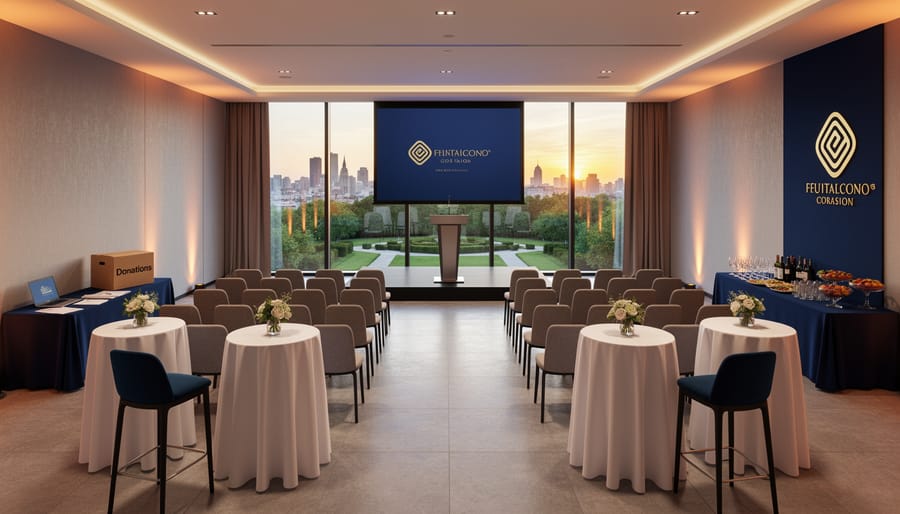
Before you pick a room, spend a little time putting your purpose into plain words. It sounds simple, but a clear sentence here makes every later decision easier.
Start with the main goal. Ask yourself what this gathering is really for. Is it to celebrate a milestone, close a business deal, raise money for a cause, or simply bring scattered family together? If you can finish the sentence “We are gathering so that…” you’re most of the way there.
Next, picture your guests. Who is coming, and how many generations will be in the room? A mix of grandparents and young children needs a very different setup than a group of colleagues arriving straight from a meeting. Think about age, mobility, and how well people know one another.
Then consider the feeling you’d like guests to carry home. Maybe it’s warmth and nostalgia, or maybe it’s energy and momentum. Some events should feel lively and loud, while others call for quiet conversation and a view worth lingering over. Naming the mood helps you judge a space the moment you walk into it.
Finally, choose the one or two things that absolutely must go right. For a wedding, that might be the photos and a smooth dinner. For a team event, it could be a clear presentation and a relaxed hour afterward. Everything else can flex around those priorities.
You don’t need a perfect plan, and your answers may shift as ideas take shape. A few honest notes jotted on paper are plenty to start a good conversation with a venue.
Questions to Ask the Venue Once Your Purpose Is Clear
Once your purpose is clear, the best next step is a relaxed conversation with the club’s events team. Think of it as planning together, not being sold to. A good team will want to hear the story of your gathering before they talk about rooms.
Start with the space itself. Ask how many guests the room can comfortably hold for your kind of event, and how flexible the layout is. Can the same room shift from a dinner with dancing to a more open, mingling setup? Our function room guide is a helpful companion to bring along as you prepare.
Then talk about food and tone. Ask what menu options suit your purpose, whether that’s a plated celebration meal or something lighter for a business meeting, and how dietary needs are handled.
Next, cover the practical details. If you’ll have speeches, slideshows, or presentations, ask about audio-visual equipment. If the course views are part of the appeal, ask how easily guests can step outside, especially around golden hour.
Finally, raise accessibility early. Ask about step-free entrances, seating, and washrooms, and keep the ideas in planning an accessible event in mind so every guest feels welcome. Close by asking how the room can be tailored to your occasion. That question often leads to the best ideas.
Frequently Asked Questions About Choosing a Function Room by Event Purpose
Can one function room suit very different events?
Often, yes. A flexible room can host a lively wedding reception one weekend and a quiet awards dinner the next, because layout, lighting, and decor do much of the work. The key is telling the events team what feeling you’re after so they can set the space to match.
How far ahead should I decide on my event’s purpose?
As early as you can, ideally before you tour any venue. Knowing why you’re gathering makes every later choice, from room size to menu, far easier. You don’t need every detail settled, just a clear main goal.
Can I combine golf or other club amenities with my event?
In many cases you can pair a function room with time on the course or a visit to other club facilities, such as the swimming pool. Ask the events team what’s possible for your occasion and how they’d fit it together.
What if my event has more than one purpose?
That’s very common, like a retirement party that’s also a family reunion. Pick the purpose that matters most, then let secondary goals shape smaller touches such as seating zones, speeches, or an activity for younger guests.
Whatever questions are still on your mind, the venue’s events team is usually glad to talk them through. Bring your purpose, your rough guest list, and the mood you hope to create, and let that conversation help shape the details.
When you start with why you are gathering, the rest tends to fall into place. A wedding toast, a child’s birthday, a team celebration, a charity dinner: each one has its own heartbeat, and the right function room is simply the space that lets that heartbeat shine.
So take a moment to name your purpose, jot down what matters most, and let it guide your choices. Then come and see the setting for yourself. Wander the grounds, take in the views over the course, and picture your guests settling in. There’s no rush and no pressure, just a lovely place to imagine what’s possible.