
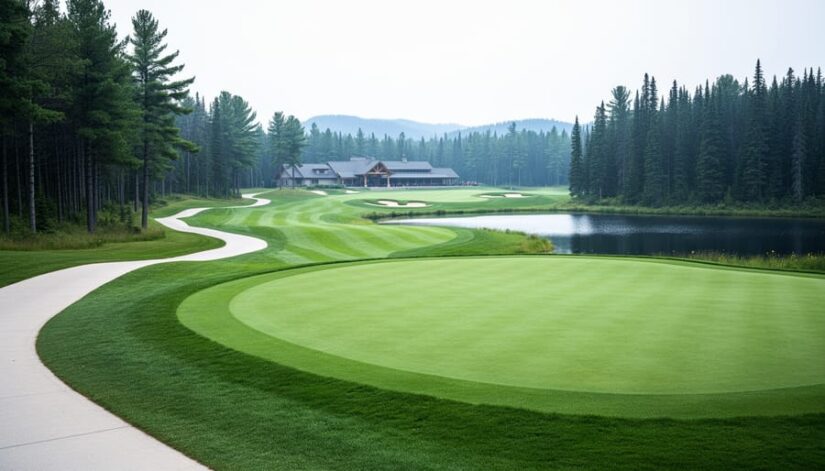
Canada is home to approximately 2,300 golf courses, making it one of the most golf-rich nations per capita in the world. From championship-caliber layouts carved into Rocky Mountain foothills to friendly nine-hole circuits tucked beside prairie farmland, the country’s courses span every landscape and skill level imaginable.
This abundance reflects more than just numbers. Canadian golf combines British Columbia’s rainforest fairways, Ontario’s Muskoka lake country retreats, and Atlantic coastlines where ocean winds test every approach shot. Yet the sport faces a unique challenge here: a compressed season. Most courses operate six months or fewer, which shapes everything from maintenance practices to membership models.
Understanding the distribution and variety of these courses helps golfers and families plan memorable outings. Some regions boast dense clusters of daily-fee options perfect for weekend getaways, while others feature remote resort destinations where the journey becomes part of the experience. The landscape also includes executive courses ideal for juniors learning the game, rugged links-style designs that mimic Scottish coastal golf, and parkland layouts where towering pines frame every hole.
Whether you’re mapping a cross-country golf road trip or searching for a scenic home course close to family, Canada’s golf footprint offers far more diversity than the raw count suggests.
What Canada’s Golf Course Count Means
Canada is home to approximately 2,300 golf courses, a number that reflects both the country’s love for the sport and its vast geography. This count includes all facilities classified under Statistics Canada NAICS 71391 essentially any facility with at least nine holes designed for traditional golf play, whether public, private, or semi-private. Executive courses, par-3 layouts, and regulation 18-hole championship facilities all count, provided they meet the minimum hole requirement and maintain formal playing standards.
To put that in perspective, Canada sits just behind the United States in total course count but punches well above its weight when you account for population size. Only a handful of countries offer better access to golf relative to their populations. This density means most Canadians live within reasonable driving distance of multiple courses, from championship layouts to family-friendly nine-hole facilities tucked into smaller communities.
The 2,300 figure represents facilities in active operation during the golf season, which varies significantly by region. A course in British Columbia might welcome players nine months of the year, while a Prairie course could operate just five months due to harsh winters. Despite these seasonal limitations, the sheer number of courses ensures golf remains a central part of Canada’s recreational landscape, offering experiences that range from casual weekend rounds to world-class tournament play.
How Canada’s Golf Landscape Works
Provincial Distribution Patterns
Ontario dominates Canada’s golf landscape with over 800 courses, roughly a third of the national total. Quebec follows with approximately 400 facilities, while British Columbia claims around 300. This concentration isn’t accidental: these three provinces hold nearly 70% of Canada’s population and enjoy longer playing seasons than their northern counterparts.
Geography shapes these numbers significantly. Ontario’s southern corridor benefits from a temperate climate that extends the season from April through October, supporting both dense urban courses around Toronto and sprawling layouts farther north. Quebec’s courses cluster along the St. Lawrence River valley, where milder conditions and French-Canadian golf culture create demand. Golf courses in British Columbia concentrate in the Lower Mainland and Okanagan Valley, where Pacific influence moderates winters and mountain backdrops add scenic appeal.
The Prairie provinces and Atlantic Canada support fewer courses per capita despite passionate golf communities, constrained by harsher winters and smaller population bases. Northern territories maintain just a handful of facilities, where midnight tee times during summer solstice offset the brief season.
Seasonal Challenges and Adaptations
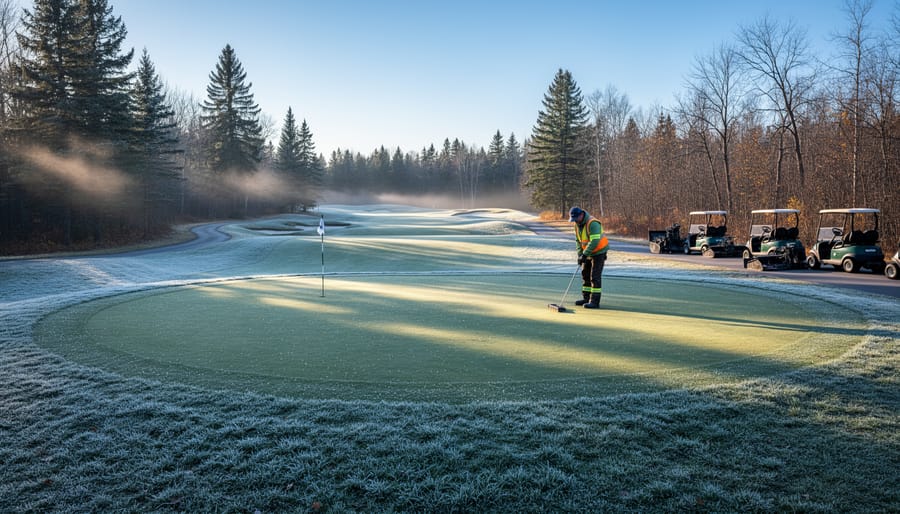
Canada’s golf season compresses dramatically from south to north, with some courses operating barely five months while others squeeze play into three. Superintendents begin winterization by late October in most regions, aerating greens, applying protective fungicides, and draining irrigation systems before the first hard freeze. Snow cover actually insulates turf, but freeze-thaw cycles cause heaving that damages roots, demanding careful spring recovery work. Northern courses often invest in indoor training facilities like a 3D Golf Center to maintain member engagement during off-months. Spring openings depend less on calendar dates than on soil temperature and drainage; courses in Ontario’s Golden Horseshoe might open by early April, while Alberta facilities wait until May. Maintenance budgets tilt heavily toward spring renovation, reseeding damaged areas, and intense fertilization to maximize the short growing window, making Canadian course management a study in efficiency and timing.
Types of Golf Courses Across Canada
Championship and Destination Courses
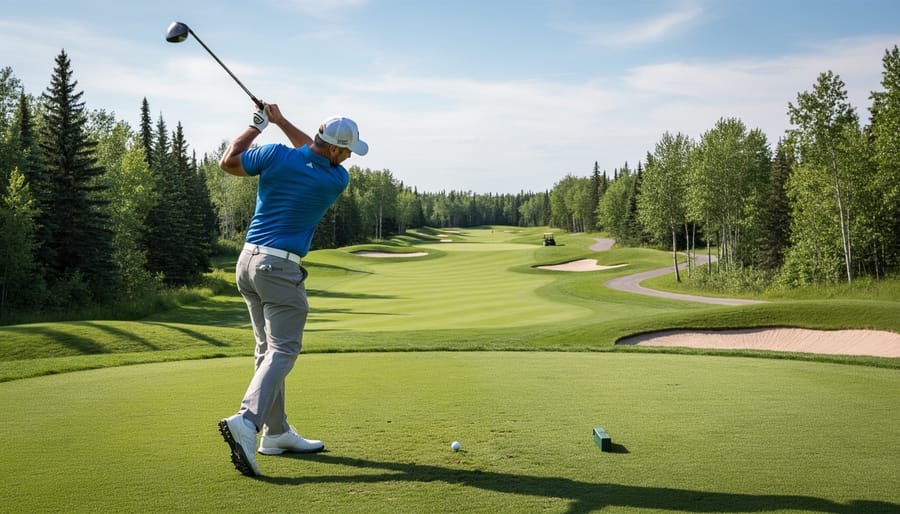
Among Canada’s 2,300+ courses, championship and destination facilities stand as monuments to design excellence and natural beauty. These premier layouts challenge skilled golfers while showcasing Canada’s diverse terrain, from British Columbia’s mountain-framed fairways to Ontario’s lakeside holes and the rugged coastal courses of the Maritimes.
Championship courses like Cabot Cliffs in Nova Scotia hug Atlantic shorelines with dramatic elevation changes, while facilities such as Ontario’s Glen Abbey have hosted major tournaments and tested the world’s best players. These courses feature tournament-caliber yardages, strategic bunkering, and immaculate conditioning that demands precision.
What sets Canada’s premier courses apart is their integration with the landscape. Designers work with natural contours, forests, and water features rather than imposing artificial challenges. The result? Courses where every round feels like a journey through Canada’s scenic wonders, combining championship-level difficulty with postcard-worthy views that make each hole memorable.
Family-Friendly and Community Courses
Community and municipal courses form the welcoming heart of Canadian golf, where beginners take their first swings and families spend summer afternoons together. These facilities prioritize accessibility over prestige, offering shorter layouts, forgiving course designs, and affordable green fees that remove barriers to entry.
You’ll find them in nearly every Canadian town with a population over 10,000. They feature wide fairways that forgive wayward shots, fewer hazards to intimidate newcomers, and relaxed pace-of-play expectations. Many operate junior programs during summer months, transforming the course into an outdoor classroom where kids learn etiquette alongside their short game.
What makes these courses special isn’t championship-caliber design, it’s the pro shop staff who remember your name, the regulars who offer unsolicited swing tips, and the Friday evening leagues that become social rituals. They’re where golf sheds its exclusive reputation and becomes what it should be: an outdoor activity that brings communities together across generations.
Resort and Tourism-Focused Facilities
Canada’s resort golf courses transform stunning natural landscapes into destination experiences that draw visitors from around the world. These facilities cluster in tourism hotspots like Muskoka, the Okanagan Valley, and the Canadian Rockies, where dramatic scenery becomes part of the game itself.
Resort courses deliberately blend championship-caliber play with vacation amenities, on-site lodging, spas, fine dining, and family activities that appeal to non-golfing travel companions. Properties like Fairmont Jasper Park or Cabot Cape Breton anchor entire tourism economies, extending visitors’ stays and showcasing regional beauty through meticulously designed fairways.
These courses operate strategically during peak tourist seasons, maximizing short summer windows when weather cooperates and travelers arrive. They market “golf getaway” packages that bundle accommodation with tee times, positioning rounds as vacation centerpieces rather than standalone outings. The result: golf becomes both recreation and tourism driver, introducing international visitors to Canada’s diverse landscapes while supporting local hospitality industries.
How Canadian Golf Courses Are Used and Enjoyed
Canada’s golf courses serve far more than the serious golfer chasing a personal best. These 2,300+ facilities function as community hubs, event venues, fitness destinations, and gathering spaces that bring people together across generations and skill levels.
On any given day, a Canadian course might host competitive tournament play in the morning, a corporate team-building event at lunch, and a family learning the easiest golf swing together in the afternoon. The versatility makes these spaces valuable beyond their scorecard appeal.
Canadians and visitors use golf courses in remarkably diverse ways:
- Tournament and competitive play for skilled players seeking challenge
- Recreational rounds focused on enjoyment rather than scores
- Corporate outings and business networking events
- Weddings and special celebrations in scenic outdoor settings
- Junior development programs introducing kids to the game
- Fitness walking and outdoor exercise along maintained paths
- Community festivals and seasonal gatherings
The social dimension matters as much as the sport itself. Courses like those featuring an Oakmont clubhouse create spaces where members form friendships over post-round meals, couples celebrate anniversaries with sunset views, and families build traditions across summer weekends.
Regional tourism boards increasingly market golf as a draw for visitors. British Columbia’s mountain courses and the Maritimes’ coastal layouts attract travelers who might never pick up a club at home but recognize the experience as distinctively Canadian. Winter closures push creativity, with some facilities offering cross-country skiing, snowshoeing, or sledding once the greens freeze.
These multiple roles explain why communities fight to preserve courses facing development pressure. They’re not just athletic facilities, they’re green spaces that host life’s milestones and provide year-round community value in ways a typical sports venue cannot match.
Regional Highlights: Where to Find Canada’s Best Golf Experiences
Canada’s golf landscape unfolds like a tapestry of distinct regional characters, each offering its own blend of challenge and beauty.
Ontario’s Golf-Rich Heartland
Ontario leads the country with over 800 courses, reflecting both its population density and deep golf tradition. The Greater Toronto Area alone hosts dozens of championship facilities, while Muskoka’s cottage country courses weave fairways through granite outcrops and pine forests. Niagara region courses benefit from a microclimate that extends the season and showcases vineyard-bordered holes. Many Ontario courses feature rolling terrain carved by glaciers, with mature hardwood corridors framing each shot.
British Columbia’s Mountain Drama
British Columbia delivers perhaps Canada’s most dramatic golf scenery. Courses in the Okanagan Valley play against backdrops of sapphire lakes and desert hillsides, while Vancouver Island facilities offer ocean views and rainforest settings. Whistler area courses incorporate mountain streams and elevation changes that test club selection. The mild coastal climate means some BC courses stay playable year-round, a rarity in Canadian golf.
Maritime Charm and Coastal Links
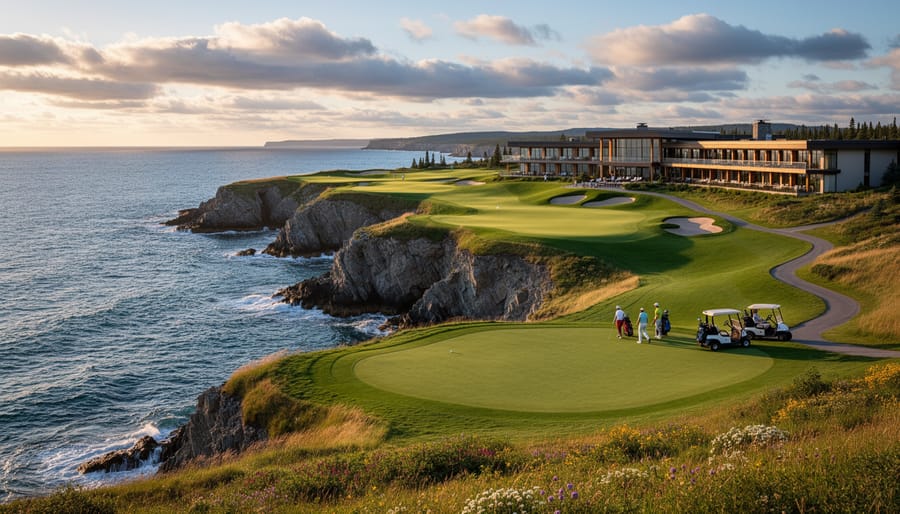
The Maritimes specialize in seaside golf that rivals Scotland’s famous links. Prince Edward Island’s red sandstone cliffs frame coastal holes where wind becomes the primary opponent. Nova Scotia’s courses often feature dramatic elevation changes and ocean vistas, particularly along the Cabot Trail. These regions attract destination golfers seeking authentic links experiences without international travel.
Prairie Sky Golf
Saskatchewan and Alberta courses sprawl beneath expansive prairie skies, with fewer trees and more strategic bunkering. The Canadian Rockies’ courses in Banff and Jasper rank among the world’s most photographed, where elk might cross fairways against glacier-capped peaks. Prairie courses typically offer excellent value and wide-open play that rewards distance.
Quebec blends French-influenced clubhouse culture with challenging Laurentian mountain courses, rounding out Canada’s regional golf diversity.
Common Questions About Golf in Canada
Which province has the most golf courses?
Ontario leads with over 800 courses, followed by Quebec and British Columbia. Population density and climate both play significant roles in where courses are concentrated.
When is golf season in Canada?
Most courses operate from late April through October, though British Columbia and southern Ontario enjoy longer seasons. Northern regions typically have shorter playing windows due to snow and freezing temperatures.
Are Canadian golf courses affordable for casual players?
Yes. Municipal and community courses offer green fees starting around $30-50, while championship facilities charge premium rates. Many courses provide twilight discounts and family packages to keep the game accessible.
Can beginners find welcoming courses?
Absolutely. Community courses across Canada cater specifically to new players with shorter layouts, relaxed pace-of-play expectations, and friendly staff. Many facilities also help you choose golf lessons tailored to your skill level.
Finding a course to visit depends on what experience you want. Golf Canada’s website maintains a searchable directory organized by province, while regional tourism boards highlight courses in scenic destinations. Look for facilities that match your skill level and priorities, whether that means challenging championship play, family-friendly amenities, or stunning natural backdrops. Read reviews from other players to gauge course conditions and hospitality. If you’re traveling, resort courses often bundle accommodations with tee times, simplifying your planning while showcasing regional landscapes at their best.
Canada’s 2,300+ golf courses represent far more than a number, they reflect a nation that has embraced the game despite formidable climate challenges and turned geographical diversity into a competitive advantage. From championship layouts carved into Rocky Mountain valleys to family-friendly municipal courses where beginners take their first swings, Canadian golf offers experiences you won’t find anywhere else.
The seasonal constraints that might seem limiting have instead fostered creativity. Course designers maximize dramatic landscapes, maintenance teams perfect rapid transitions between frozen winters and lush summers, and golfers develop an appreciation for every playable day. Whether you’re drawn to tournament-caliber challenges, scenic resort destinations, or welcoming community facilities, Canada’s courses deliver memorable rounds wrapped in stunning natural beauty.
For locals, this abundance means accessible recreation close to home. For visitors, it’s an invitation to discover golf experiences that pair world-class facilities with uniquely Canadian backdrops. Premier venues like The Lakes Golf Club exemplify this blend, offering challenging play, family-friendly atmosphere, and the kind of scenic beauty that makes Canadian golf unforgettable. The diversity is out there. Pick a region, book a tee time, and experience what makes Canadian courses special.