
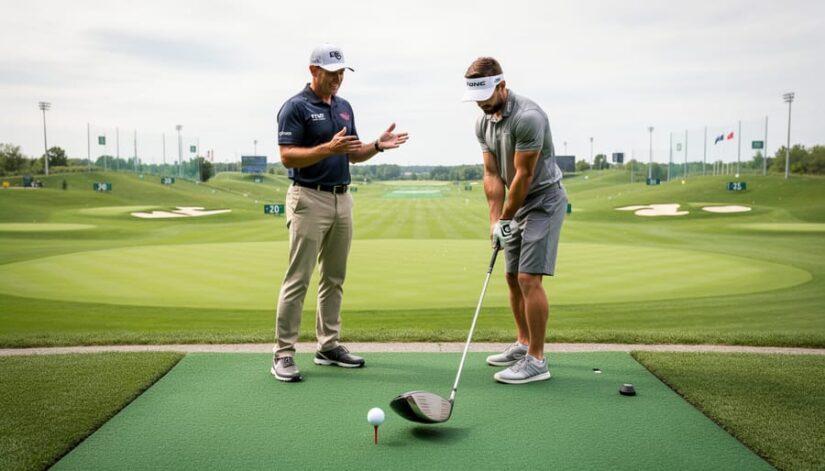
Finding quality golf instruction in London, Ontario comes down to three essential elements: certified instructors with proven teaching credentials, lesson formats that match your learning style and schedule, and access to well-maintained practice facilities where you can apply what you’ve learned between sessions.
Whether you’re picking up a club for the first time or working to shave strokes off your handicap, choosing the right golf instruction requires understanding what separates effective coaching from a generic group clinic. London’s golf community offers diverse options, from private country clubs with seasoned teaching professionals to public courses providing accessible group programs. The challenge isn’t finding lessons but identifying which approach will actually improve your game.
The decision involves more than comparing hourly rates or signing up for the nearest available slot. Effective golf instruction blends technical expertise with personalized feedback, offers flexible scheduling that fits family life, and provides practice environments where skills can take root. The best instructors don’t just demonstrate proper swing mechanics; they diagnose your specific challenges, adapt their teaching methods to your learning pace, and create clear improvement pathways.
This guide walks you through the key factors that matter when evaluating golf lessons in London, compares lesson formats from private one-on-one sessions to family-friendly group clinics, and helps you avoid common mistakes that waste time and money. You’ll learn which questions to ask before booking, what credentials truly indicate teaching quality, and how to match lesson types to your goals and experience level.
What to Look for When Choosing Golf Instruction
Instructor Credentials That Matter
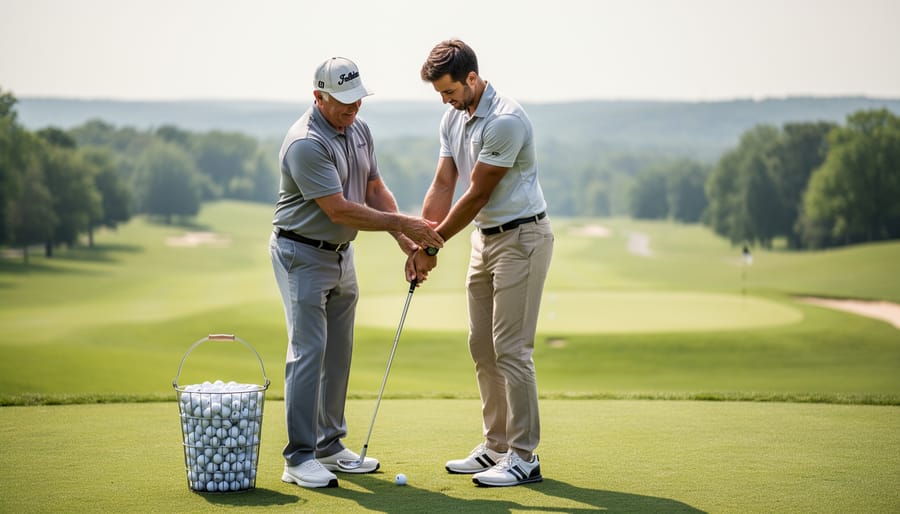
A qualified instructor makes all the difference in how quickly you progress and how much you enjoy the learning process. Look for professionals who hold required coaching certifications through Golf Canada or PGA of Canada programs, which demonstrate formal training in teaching methodology and player development.
Beyond credentials, consider teaching philosophy. Some instructors emphasize fundamentals and repetition, while others focus on adapting techniques to your natural swing. Ask about their approach to teaching different skill levels. An instructor experienced with complete beginners uses different communication and pacing than one who specializes in competitive junior development or senior adaptive methods.
Experience with your specific demographic matters too. If you’re bringing children, instructors trained in junior development know how to keep lessons engaging and age-appropriate. Similarly, those working with older adults understand modifications that accommodate flexibility and strength differences without compromising technique.
Don’t overlook communication style during your initial conversation. A great instructor explains concepts clearly, demonstrates patience, and adjusts their teaching when something isn’t clicking. The right fit combines technical knowledge with an ability to connect with you personally, creating a learning environment where you feel comfortable asking questions and making mistakes.
Practice Facilities and Learning Environment
The physical environment where you learn matters as much as who teaches you. A quality practice facility gives you immediate, varied opportunities to apply what you’ve just been shown, and the London area offers settings that make practicing genuinely enjoyable rather than tedious.
Look for facilities with comprehensive practice areas beyond just a driving range. You need access to dedicated short game zones where you can work on chipping, pitching, and bunker shots, the scoring strokes that separate recreational rounds from frustrating ones. Multiple target greens at different distances help you practice real course scenarios. Large putting greens with varied slopes let you develop feel and read breaks similar to what you’ll face during play.
Modern teaching technology enhances learning without overwhelming it. Some facilities now offer 3D golf programs that provide visual feedback on your swing mechanics, helping you understand complex movements faster than verbal explanation alone. Video analysis and launch monitors offer concrete data to track improvement between sessions.
The setting itself influences your commitment to practice. Southwestern Ontario’s natural beauty, mature trees, rolling terrain, well-maintained turf, creates an atmosphere that encourages you to show up regularly and stay longer. When the practice environment feels like a destination rather than a chore, you’re more likely to put in the repetitions that actually build skills.
Accessibility and Convenience
The most convenient lesson format won’t help if you can’t consistently attend. Consider how far you’re willing to travel for quality instruction, London’s spread-out geography means a facility on the opposite side of town could add 20-30 minutes each way. If you’re in the north end, driving to the south for every lesson tests your commitment quickly.
Scheduling flexibility matters just as much as location. Early morning or twilight slots work well for working professionals, while weekday afternoons suit retirees and parents with school-age children. Ask whether instructors offer consistent weekly time slots or require booking session by session. Some facilities accommodate last-minute schedule changes better than others, which becomes critical during unpredictable weather or family obligations.
Balance convenience against instructor quality rather than choosing purely on proximity. A 15-minute drive to work with a skilled teacher who matches your learning style delivers better long-term results than settling for mediocre instruction five minutes away. That said, if commute time becomes a barrier to practice between lessons, closer facilities help maintain momentum. Look for options that let you access practice facilities outside lesson times, turning each trip into extended skill-building rather than just the scheduled hour.
Types of Golf Lessons Available
Private Lessons: Personalized Attention

Private lessons offer the most direct path to improvement for golfers willing to invest in focused, individualized instruction. Your instructor tailors every drill, correction and practice plan to your specific swing habits, physical capabilities and playing goals, rather than teaching to a generic middle ground.
This format works especially well for beginners who need foundational mechanics established correctly from day one, preventing bad habits that cost months to unlearn later. Intermediate players benefit when they’ve hit a plateau and need someone to diagnose the precise flaw holding them back. Advanced golfers use private sessions to fine-tune subtle movements or address mental game challenges that group settings can’t accommodate.
Expect your instructor to evaluate your current ability during the first session, then build a progression suited to how you learn best. Some coaches rely heavily on video analysis and technology; others emphasize feel and repetition. Ask upfront how they structure lessons and track progress so their teaching style meshes with your learning preferences. The investment pays off when instruction zeroes in on your actual needs instead of covering material you’ve already mastered.
Group and Semi-Private Options
Group and semi-private lessons offer a middle ground between the personalized attention of private instruction and the affordability of larger clinics. These sessions typically accommodate two to four students of similar skill levels, allowing instructors to provide meaningful individual feedback while keeping costs reasonable. The shared format creates a natural learning environment where students can observe different swing patterns and challenges, often picking up insights from watching corrections made to others’ techniques.
The social dimension shouldn’t be underestimated. Many golfers find group settings less intimidating than one-on-one instruction, and the camaraderie that develops can boost motivation and accountability. Friends or family members learning together often practice more consistently between sessions because they have built-in playing partners who understand their goals.
Group lessons work particularly well for beginners building foundational skills or intermediate players working on specific aspects like short game fundamentals. However, they’re less suitable for golfers with unique swing issues requiring extensive individual attention or those whose schedules demand flexible timing, since group sessions operate on fixed schedules with committed participants.
Clinics, Workshops, and Specialty Programs
Clinics and workshops offer targeted skill development in concentrated formats, typically spanning a few hours or a weekend. These programs excel when you want to focus on a specific weakness without committing to a full lesson series. Short game clinics, for example, isolate chipping, pitching, and bunker play, while putting workshops often incorporate technology like launch monitors or alignment tools to diagnose inconsistencies.
Seasonal programs align instruction with the golf calendar. Spring tune-up clinics help shake off winter rust before the season opens, and fall scoring workshops prepare players to capitalize on favorable autumn conditions in southwestern Ontario. Many facilities also run specialized sessions for women, seniors, or corporate groups, creating comfortable learning environments where participants share similar experience levels and goals.
The concentrated format suits golfers who prefer intensive learning bursts over weekly commitments. You’ll often work alongside others facing similar challenges, which adds a collaborative element that can make technical instruction more engaging and less isolating than solo practice.
Junior and Family Programs
Junior and family programs transform golf lessons from individual instruction into shared recreational experiences. These programs typically group children by age and skill level while creating opportunities for parents to learn alongside their kids or practice nearby. The format works well for families who want to spend quality time together outdoors while developing a lifetime sport.
The best junior programs focus on making golf fun first, teaching fundamentals second. Instructors who specialize in youth teaching use games, challenges, and age-appropriate equipment to keep young players engaged. Look for programs that limit group sizes so each child receives adequate attention while still enjoying the social aspects of learning with peers.
Family packages often allow parents and children to take consecutive lessons or participate in joint sessions where everyone works on basics together. This shared experience creates natural conversation topics and friendly competition at home. Some programs include short course play where families can immediately apply what they’ve learned in a low-pressure environment.
The scenic courses throughout southwestern Ontario provide an ideal backdrop for introducing children to golf. When families learn together, the sport becomes a regular recreational activity rather than just another scheduled commitment, building memories while developing skills.
Finding the Right Fit for Your Goals
For Complete Beginners
Complete beginners benefit most from a structured, multi-lesson series that introduces fundamentals in a logical sequence rather than trying to absorb everything in a single session. Look for instructors who start with grip, stance, and alignment before moving to the swing itself, these building blocks prevent bad habits that are difficult to unlearn later. The best beginner programs emphasize one or two concepts per lesson with plenty of repetition and practice time between sessions. Group clinics designed specifically for new golfers create a supportive, low-pressure environment where everyone is learning together, which many find less intimidating than immediate private instruction. Prioritize instructors who explain the “why” behind each fundamental and demonstrate patience with the learning curve, since early progress often feels slow before breakthroughs happen.
For Improving Recreational Players
Recreational players who’ve moved past beginner fundamentals often plateau because they’re working on too many things at once or fixing symptoms rather than root causes. Before booking lessons, honestly assess your game: track a few rounds to see where strokes slip away, three-putts, missed fairways, trouble getting out of bunkers. This self-diagnosis helps you communicate clear priorities to an instructor rather than requesting vague “overall improvement.” Look for coaches who offer diagnostic sessions or video analysis as part of their instruction, since intermediate golfers benefit most when lessons focus on specific technical flaws rather than generic tips. An experienced instructor can quickly identify whether you need to fix your swing path, improve tempo, or simply sharpen course management skills. Semi-private lessons work well at this stage because watching others receive corrections accelerates your own understanding of common faults and solutions.
For Families and Juniors
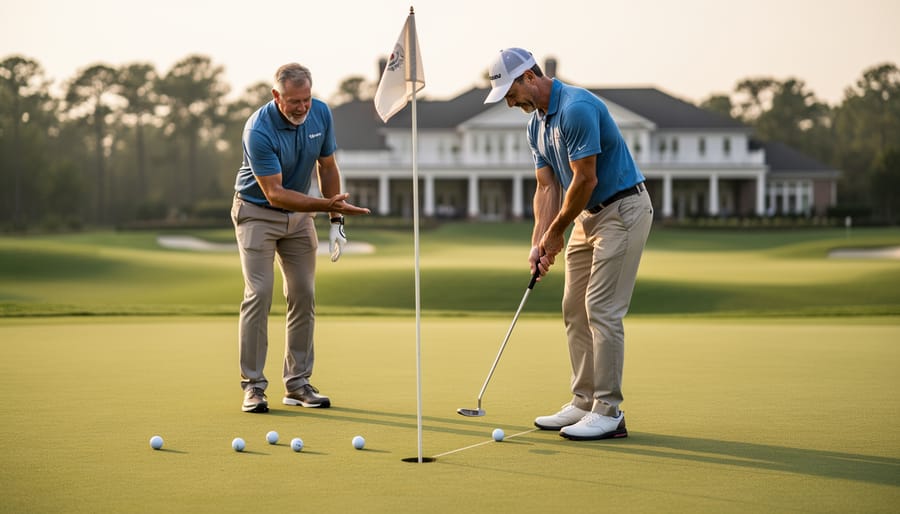
When introducing children to golf, prioritize programs that emphasize play and discovery over technical perfection. Look for instructors who use age-appropriate equipment, modified games, and positive reinforcement to keep young golfers engaged. The best junior programs typically group children by age and skill level, using shorter sessions (30-45 minutes for younger kids) to match attention spans.
Family packages offer unique value beyond cost savings: they create shared experiences and allow parents to model enthusiasm for the game. When parents learn alongside children, it removes performance pressure and transforms lessons into quality outdoor time together. Ask whether family sessions accommodate different skill levels within the same time slot, and whether the instructor can balance individual attention with group activities.
Consider programs that introduce golf as part of broader outdoor recreation rather than immediately focusing on score. Children who associate golf with fun, scenic settings, and time with family are more likely to develop lasting interest in the sport.
For Competitive and Advanced Players
Advanced players need instruction that goes beyond basic mechanics to address the subtle refinements that separate good golf from exceptional performance. Look for instructors who specialize in competitive play and understand tournament preparation, not just recreational improvement. These coaches should offer detailed swing analysis using high-speed video and launch monitor data to identify specific inefficiencies in ball flight, clubface control, and swing path.
The best advanced instruction focuses on situational play: how to shape shots on demand, manage course strategy under pressure, and develop a pre-shot routine that holds up when scores matter. Your instructor should assess not just your full swing but also short game nuances, putting stroke consistency, and mental game strategies that competitive golf demands.
Seek coaches who can create periodized training plans around your competitive schedule, with specific phases for skill building, tournament prep, and performance maintenance. They should track measurable improvements in key metrics like driving accuracy, greens in regulation, and strokes gained across different shot categories. Even experienced players exploring adaptations to their senior golf swing benefit from this data-driven approach to maintain competitive edge while protecting longevity.
Common Mistakes to Avoid

When golfers in the London area start searching for instruction, enthusiasm can sometimes cloud judgment. A colleague of mine once signed up for a 10-lesson package at a local course because the per-session rate looked unbeatable. Three lessons in, he realized the instructor’s teaching style clashed completely with how he learns. He pushed through the remaining sessions out of obligation, but the experience left him frustrated and no closer to his goal of breaking 90.
That scenario plays out more often than it should. Here are the traps that trip up even well-intentioned golfers:
- Choosing lessons based solely on the lowest price without considering instructor qualifications or facility quality
- Committing to large packages before experiencing a trial lesson with the instructor
- Failing to ask about teaching philosophy and whether it matches your learning preferences
- Overlooking the importance of practice facilities where you can reinforce what you learn
- Ignoring your own schedule realities and booking sessions you cannot consistently attend
- Starting lessons without clear personal goals or a realistic timeline for improvement
The price-only decision is particularly common. A discounted rate means nothing if the instruction doesn’t connect with you or if the practice areas are so limited that you cannot work on what you’ve learned between sessions. Value and cost are not the same thing.
Similarly, many golfers overlook the trial lesson opportunity. Most reputable instructors in the area offer introductory sessions for exactly this reason: you need to experience their communication style, see their facility, and gauge whether their approach resonates with you before making a larger commitment. Skipping this step to save a few dollars often costs far more in wasted time and money down the road.
Another frequent misstep involves setting vague goals like “get better at golf” without defining what better actually means. Are you trying to eliminate your slice? Lower your handicap by five strokes? Build confidence around the greens? When you start lessons without specific objectives, you and your instructor are working without a roadmap. The result is often generic instruction that fails to address what you truly need to improve your enjoyment of the game on London’s beautiful courses.
Questions to Ask Before Booking
Before you commit to any golf lesson program, arm yourself with questions that reveal what you’re truly getting. These conversation starters help you cut through marketing language and understand the real value of instruction options around London.
What are your teaching credentials and experience with my skill level?
This establishes whether the instructor holds recognized certifications and has actually coached players at your stage. Look for specific examples of how they’ve helped similar golfers improve, not just general claims about experience.
What does a typical lesson include, and how long does it last?
You need clarity on whether the stated time includes warm-up, video review, and practice time, or just active instruction. Some 60-minute lessons offer 45 minutes of teaching, while others provide the full hour.
Are practice facilities and technology use included in the lesson fee?
Hidden costs add up quickly. Ask whether range balls, video analysis, launch monitor sessions, and post-lesson practice access come with the package or require separate payment.
What is your cancellation and rescheduling policy?
Southwestern Ontario weather can be unpredictable. Understanding the notice required and whether you lose your payment or can reschedule protects your investment when life or rain interferes.
How do you track progress between sessions?
Quality instructors use methods beyond memory, whether written notes, video libraries, or measurement data. This shows commitment to your long-term development rather than treating each lesson as isolated.
Can I try a single lesson before committing to a package?
Compatibility matters enormously in instruction. A trial lesson lets you assess teaching style, communication clarity, and whether you genuinely connect with the instructor before investing in multiple sessions.
Don’t hesitate to ask about the instructor’s teaching philosophy, either. How do they approach fixing swing faults versus building fundamentals? Do they adapt methods for different learning styles? The answers reveal whether they’re following a rigid system or genuinely personalizing instruction to suit you.
Inquire about what happens between lessons, too. Will you receive practice drills? Can you email questions or send swing videos for feedback? The best instructors view lessons as part of ongoing development, not isolated appointments that end when you walk off the practice area.
Finally, ask current students about their experience if possible. Most facilities can connect you with a golfer or two who’ve worked with an instructor. These candid conversations often surface details about punctuality, enthusiasm, and genuine care that you won’t discover in a promotional conversation. The right questions turn a sales pitch into an honest dialogue about whether this instruction fits your path to better golf.
What to Look For
Choosing golf lessons comes down to three essential factors: the instructor’s ability to communicate effectively with your learning style, the quality of facilities where you’ll practice what you learn, and alignment between the lesson format and your specific goals.
Start with teaching compatibility. An instructor’s credentials matter, but their ability to break down complex movements into clear, actionable steps matters more. Look for someone who asks about your objectives before recommending a program, explains the reasoning behind each adjustment, and adapts their approach when something isn’t clicking. The best instructors balance technical knowledge with genuine patience.
Facility quality directly impacts your learning curve. Quality practice areas let you immediately apply what you’re taught. Look for well-maintained hitting areas, dedicated short game spaces, and access to practice facilities between lessons. The scenic southwestern Ontario landscape offers beautiful settings, but prioritize functional practice environments over aesthetics alone.
Finally, match the lesson structure to your availability and learning preferences. Consider how much personalized attention you need versus the social motivation of group settings, whether your schedule allows regular weekly sessions or requires flexibility, and how you learn best, through intensive focused work or gradual skill-building over time. The right combination of these factors creates an effective, enjoyable learning experience that fits your life.
Main Options Compared
When evaluating golf instruction in London, Ontario, your decision typically comes down to four main lesson structures, each with distinct trade-offs.
Private one-on-one lessons offer maximum personalization and immediate feedback tailored to your swing mechanics and goals. You get the instructor’s undivided attention, flexible scheduling around your availability, and a curriculum built around your specific challenges. The downside is higher per-session cost and less opportunity to learn from watching others.
Semi-private lessons (usually two to four students) strike a middle ground. You share the instructor’s time with one or two others, which reduces individual attention but introduces a social element and competitive motivation. Many players find they learn effectively by observing others’ mistakes and corrections. Cost per person drops noticeably compared to private instruction.
Group clinics and workshops focus on specific skills rather than comprehensive game improvement. These concentrated sessions, short game fundamentals, putting technique, or course management, work well for addressing particular weaknesses without committing to ongoing instruction. They’re the most economical option but provide minimal individual feedback.
Season-long programs bundle multiple lessons into a structured progression, often with practice assignments between sessions. This format builds skills systematically rather than in isolated sessions, though it requires upfront commitment before you’ve established rapport with the instructor.
Your best fit depends on budget flexibility, learning style preference, and how quickly you want to progress.
Finding the right golf instruction in London, Ontario comes down to matching quality teaching with your personal goals and lifestyle. The best lessons aren’t necessarily the most expensive or the most convenient, they’re the ones that combine qualified instructors who understand your skill level, practice facilities that support your development, and a learning environment where you feel comfortable making mistakes and asking questions.
Take time to visit facilities, talk with instructors, and observe their teaching styles before committing to a full package. Ask about their credentials, teaching philosophy, and how they track progress. Consider what success looks like for you, whether that’s breaking 100, introducing your children to the game, or simply spending quality time outdoors with family.
Golf lessons represent an investment in years of enjoyment on the course. The fundamentals you build and the habits you develop early shape how much pleasure you’ll take from the game long-term. Bad habits learned through trial and error take far longer to unlearn than getting it right from the start with proper instruction.
Southwestern Ontario offers some of the most beautiful golf settings in the country, with courses that showcase rolling terrain and mature landscapes. Quality instruction helps you appreciate these courses more fully while spending recreational time with family and friends. The right lessons transform golf from a frustrating puzzle into an engaging, lifelong pursuit that connects you with nature and community.