
Golf equipment brand names tell a story that runs deeper than logos stamped on clubs. Major manufacturers like Callaway, Mizuno, Srixon, and Acushnet Holdings (parent company of Titleist and FootJoy) dominate the Canadian market, which is projected to grow at 6.2% annually through 2033, while their product line names reveal strategic decisions about performance categories, heritage lines, and target skill levels.
Understanding these names transforms shopping from guesswork into informed decision-making. When you see “Mizuno Pro M-15” on an iron set or “Callaway Rogue” on a driver, you’re reading a manufacturer’s shorthand for forgiveness levels, construction methods, and intended player profiles. The “Pro” designation typically signals tour-level performance and workability. Numbers often indicate model generations or loft configurations. Terms like “Rogue,” “Epic,” or “Paradym” create distinct product families that share design philosophies across woods, irons, and wedges.
The brand landscape blends century-old craftsmanship with cutting-edge technology. Japanese manufacturer Mizuno has built its reputation on forged irons since 1933, appealing to skilled players who value precision feel. Callaway, now part of Topgolf Callaway Brands Corp., pioneered oversized drivers and continues pushing forgiveness technology for recreational golfers. Srixon brings tour-proven ball technology into its club lines, while Acushnet’s Titleist remains the choice of professionals worldwide.
For families exploring golf together at scenic courses, decoding these names helps match equipment to each player’s ability level without overspending on features they won’t use. Product naming isn’t marketing fluff. It’s a practical navigation system through dozens of annual releases, helping you find clubs that suit your game while understanding the heritage backing your investment.
The Heritage Behind Iconic Golf Equipment Names
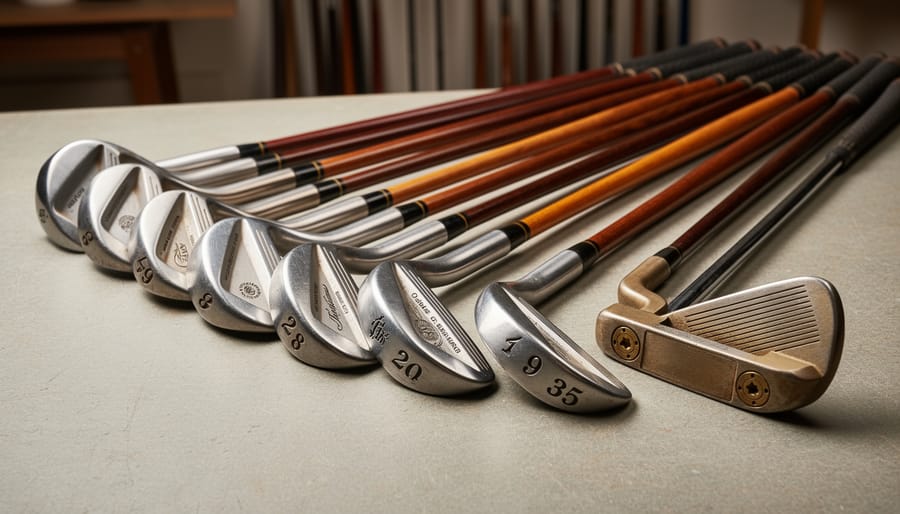
When Ely Callaway purchased a small wedge and putter company in 1982, he did more than start a business. He attached his family name to every club that left the factory floor, and in doing so, created a personal promise. That commitment to standing behind the product transformed Callaway Golf into one of the sport’s most recognizable names. This pattern repeats across golf’s landscape: brands built on the reputations of real people whose surnames became synonymous with quality.
Acushnet Holdings carries a different kind of heritage. Named after the Massachusetts river town where Phillip Young founded the company in 1910, Acushnet originally manufactured rubber products before pioneering the modern golf ball. The company’s flagship brands, Titleist and FootJoy, emerged from this manufacturing expertise. Titleist got its name from the commitment to being the “title holder” in golf ball performance, while FootJoy traces back to 1857 as a shoemaking company that eventually specialized in golf footwear. These brands don’t just share a corporate parent. They represent over a century of accumulated knowledge about how materials, precision engineering, and player feedback create equipment that performs under pressure.
Mizuno’s story stretches even further back. Founded in Osaka in 1906 by the Mizuno brothers, the company started with baseball equipment before expanding into golf. The Mizuno name represents 120 years of metallurgical expertise, particularly in forging irons. When golfers talk about the buttery feel of a Mizuno blade, they’re experiencing the culmination of generational craftsmanship passed down through Japanese artisans who’ve spent their careers perfecting grain flow patterns in forged steel.
This heritage creates something practical beyond nostalgia. Brands with deep roots have weathered decades of player feedback, manufacturing challenges, and technological shifts. They’ve built reputations they can’t afford to damage with a single poor product release. When you see these names on equipment at your pro shop, you’re looking at companies whose very survival has depended on consistent performance. That accountability, built over generations, explains why many golfers develop lifelong loyalties to these brands. The names aren’t just labels. They’re promises backed by family legacies and regional pride.
How Modern Brands Name Their Equipment Lines
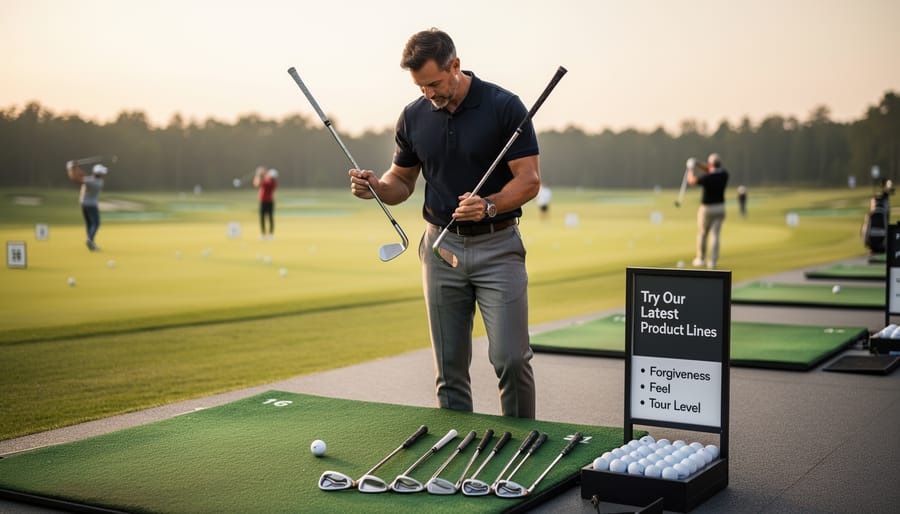
Modern equipment manufacturers treat product naming like a carefully orchestrated conversation with different types of golfers. Walk into any pro shop and you’ll notice patterns: some clubs carry numbers that suggest engineering precision, while others use words that evoke aspiration and performance. This isn’t random, it’s a deliberate strategy to help you understand what each club offers before you pick it up.
Consider how Mizuno sequences its iron releases. The Pro M-13 and Pro M-15 models follow a technical naming system where the numbers indicate iterations of their forged player’s irons. That approach appeals to serious golfers who want to track technological evolution and refinement. The “Pro” designation immediately signals these aren’t beginner clubs; they’re built for golfers who prioritize feel and workability over maximum forgiveness.
Srixon takes a different path with clearer segmentation between skill levels. Their naming often pairs descriptive words with model numbers, creating distinct families that speak to specific golfer profiles. You might see a “Z-Star” ball aimed at better players alongside a “Q-Star” for those seeking distance with a softer feel. The letter prefix does the heavy lifting in communicating positioning.
Most brands rely on a few core naming patterns that you’ll recognize across the pro shop:
– Pro, Tour, or Elite series signal clubs designed for low-handicap golfers who can control trajectory and shape shots
– Numeric progressions (M-13, M-15) indicate generational improvements and technological updates within a product family
– Technology-driven names incorporate terms like “Speed,” “Max,” or specific innovations to highlight performance features
– Lifestyle branding uses aspirational words that connect to a golfer’s identity rather than pure specs
The balance between technical and aspirational naming matters because it sets expectations. When you see “Game Improvement” or “Super Game Improvement” in a product description, manufacturers aren’t being subtle, they’re telling you these clubs offer substantial forgiveness and launch assistance. Conversely, a model called “Blade” or “MB” (muscle back) warns that you’ll need consistent ball-striking to get results.
This naming clarity helps families shopping for equipment. Parents looking for junior sets can quickly identify beginner-friendly options, while experienced players can zero in on performance-oriented lines. The system works because once you learn the language, you can walk into The Lakes’ pro shop and have an informed conversation about which equipment lines match your current game and where you want it to go. Names become shortcuts that respect your time and guide you toward clubs that’ll actually improve your experience on our scenic fairways.
The Canadian Golf Equipment Market and Brand Evolution
The Canadian golf equipment market is experiencing a notable surge, with projections indicating a compound annual growth rate of 6.2% from 2026 to 2033. This steady expansion reflects both the country’s enduring passion for the game and increasing investment in quality equipment across all skill levels. For golfers across Canada, this growth translates to broader selection, more competitive pricing, and faster access to the latest innovations reaching pro shops and specialty retailers.
Major players are strategically positioning themselves to capture this momentum. Topgolf Callaway Brands Corp continues to leverage its diverse portfolio, from tour-proven woods to game-improvement irons that suit Canada’s varied golfing population. Srixon has strengthened its presence with equipment designed to perform in the demanding conditions many Canadian courses present, while Acushnet Holdings, the parent company behind Titleist and FootJoy, maintains its reputation for precision and consistency that resonates with serious golfers nationwide.
This evolution isn’t just about bigger brands entering the market. The growth creates space for regional retailers and club pro shops to curate selections that match their members’ specific needs. At clubs like The Lakes, this means golfers can expect to see expanded options when visiting the pro shop, from the latest driver releases to specialized wedges and premium golf balls. The rising market also encourages brands to tailor products to Canadian preferences, considering factors like climate adaptability and the balance between power and control that suits our courses.
What makes this growth particularly valuable is the knowledge that comes with it. As competition increases, brand representatives and club fitters become more accessible, offering fitting sessions and demo days that help golfers make informed decisions. You’re no longer limited to guessing which equipment names match your game, you can test options and understand exactly what each brand brings to your fairway experience.
What Equipment Names Tell You About Performance
Equipment names aren’t just marketing fluff, they’re coded messages about who should swing the club and what it’s designed to do. When you see “Pro” or “Tour” in a model name, it typically signals a smaller clubhead, thinner topline, and less forgiveness. These clubs reward precise contact and offer workability for shaping shots. Conversely, names including “Max,” “Launch,” or “Easy” point toward game-improvement designs with larger sweet spots and technology that helps get the ball airborne. Mizuno’s approach illustrates this clearly: their Pro M-13 and Pro M-15 irons cater to skilled ball-strikers seeking feel and control, while their JPX line targets golfers prioritizing distance and consistency.
Numbers in model names sometimes indicate the year of release, but often they denote generational updates or specific performance characteristics. A higher number doesn’t always mean better, it means different. The key is matching the club’s intended user to your actual skill level, not the one you aspire to reach next month. If you’re working on beginner swing basics a tour-level blade will punish mishits and slow your progress.
Do expensive brand names play better?
Higher price typically reflects premium materials and tighter manufacturing tolerances, but “better” depends on fit. A $1,200 driver won’t fix a swing flaw, and many mid-priced options perform excellently for recreational golfers.
Should beginners stick to certain brands?
No. Focus on club type (game-improvement irons, forgiving drivers) rather than logo. Most major brands offer excellent beginner-friendly lines.
What does “Pro” in a name really mean?
“Pro” generally indicates a club designed for better players who prioritize shot-shaping and feedback over maximum forgiveness. These clubs demand consistent contact.
How often do companies change their product line names?
Major releases typically occur every 18-24 months, though some foundational series names remain consistent across multiple generations with incremental model updates.
When you visit your pro shop, use equipment names as conversation starters rather than decision-makers. Ask which product line addresses your specific challenge, whether that’s a slice, inconsistent contact, or distance loss. Modern golf tech lessons can pair swing analysis with equipment recommendations, showing you objectively which club characteristics complement your motion. The name on the sole matters far less than how the club performs in your hands on the range and course.
Finding the Right Equipment for Your Game
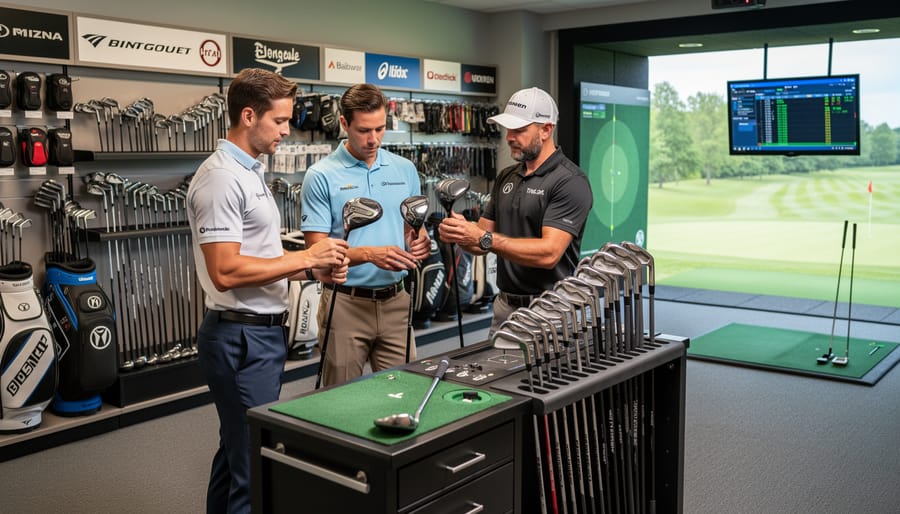
Knowing the stories and strategies behind golf equipment names gives you a foundation, but the real value comes when you step into the pro shop and start matching clubs to your swing. Brand prestige matters less than how a club performs in your hands.
Start by sharing your goals with pro shop staff. Mention whether you’re working on distance, accuracy, or building confidence with a particular shot. Understanding equipment names helps here, you can ask specific questions like whether a game-improvement line offers more forgiveness than a tour model, or how a particular iron series compares to what you’re currently playing. This knowledge turns a browsing session into a productive conversation.
Custom fitting takes this further. Modern 3D golf fitting technology analyzes your swing dynamics and matches them to equipment specifications, removing guesswork from the process. The fitter can explain which brands and models suit your tempo, attack angle, and ball flight patterns. You’ll hear model names and series designations in context, connected directly to what your swing needs.
For families introducing young golfers to the game, choosing junior equipment requires the same thoughtful approach. Junior lines from major brands aren’t just scaled-down adult clubs, they’re designed with lighter shafts, appropriate flex, and forgiving heads that help developing players build solid fundamentals. Ask about age-appropriate options and how juniors can transition between equipment tiers as their skills grow. Pairing proper equipment with indoor practice tips during winter months keeps progress steady year-round.
The best equipment choice is the one that inspires confidence when you address the ball, regardless of the name stamped on it.
Every club in your bag carries a name with a story, some echo the legacy of master craftsmen from generations past, while others signal the latest materials science breakthrough. Understanding these golf equipment names deepens your connection to the game and helps you make choices that truly match your swing, not just the marketing hype.
The best equipment decision isn’t about chasing the most prestigious name. It’s about finding clubs that feel right in your hands and inspire confidence when you stand over the ball. Whether you’re drawn to a heritage brand’s century of tradition or a modern innovator’s fresh approach, what matters most is how the clubs perform for your unique game.
Visit The Lakes’ pro shop to hold different clubs, ask questions about what the names and model designations actually mean, and discover which brands resonate with your playing style. Our knowledgeable staff can guide you through the options, connecting your equipment choices to the beautiful courses where you’ll use them. In a welcoming environment surrounded by Georgian Bay’s natural beauty, you’ll find that choosing the right clubs becomes part of the joy of the game itself.