

Stanley Thompson golf courses represent some of North America’s most revered and naturally integrated designs, where strategic shot-making meets breathtaking scenery. Thompson’s portfolio includes more than 145 documented sites across Canada and beyond, distinguished by his signature philosophy of working with the land rather than reshaping it. His courses blend challenging architecture with sweeping vistas, creating experiences that appeal equally to serious golfers seeking strategic play and families looking for memorable rounds in stunning settings.
The architect’s most celebrated work, the Stanley Thompson 18 at Fairmont Banff Springs in Alberta, showcases this approach perfectly. Originally built in 1927, this par-71, 6,938-yard course winds through the Canadian Rockies, offering glacier views and wildlife sightings alongside demanding holes. Recent years have seen renewed appreciation for Thompson’s legacy, with courses like St. Charles Country Club completing a restoration in 2022 that returned all 27 holes to their original design intent, including the final nine created by Thompson’s associate Norman Woods. Whether you’re planning a golf heritage pilgrimage or simply seeking a round where natural beauty enhances every shot, Thompson’s courses deliver an experience that transcends typical resort golf.
What Stanley Thompson Golf Courses Represent
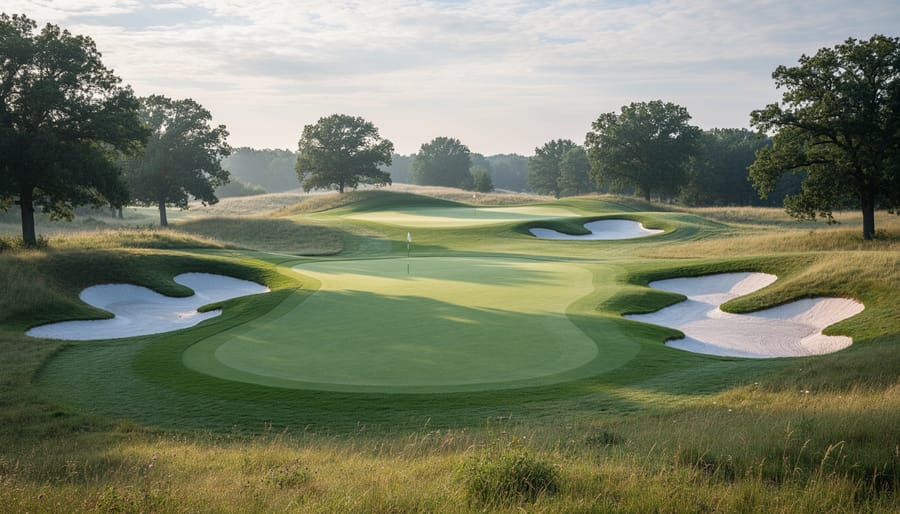
A Stanley Thompson golf course isn’t something you stumble upon by accident. These are designs born from reading the land, hills, valleys, treelines, and working with what nature already placed there rather than bulldozing it into submission. Thompson’s philosophy centered on revealing a site’s inherent drama, whether that meant routing holes through alpine meadows or following natural elevation changes that already suggested fairway corridors.
The hallmark is integration. Where other architects of his era moved earth to create features, Thompson found them. His bunkers appear where they look like they’ve always belonged, tucked into hillsides or guarding natural punchbowl greens. Fairways follow the contours rather than fight them. The result is a course that feels discovered, not constructed, a quality that remains striking nearly a century after layouts like the 1927 Stanley Thompson 18 at Fairmont Banff Springs first opened.
Strategic variety defines the playing experience. Thompson courses demand different shots on successive holes: a fade around a stand of pines, a draw that uses a slope, an approach that must land short and feed onto a green. These aren’t target-golf designs. They’re puzzles that reward golfers who think two shots ahead and understand how terrain affects the ball.
The scenic component isn’t decoration, it’s fundamental. Thompson routed holes to showcase mountain vistas, water features, and dramatic landscapes at moments when golfers would actually notice them. Standing on a tee or walking to a green, you’re aware you’re somewhere distinctive. That combination, strategic depth, natural integration, and memorable beauty, creates an experience that feels both timeless and unmistakably Thompson.
What Thompson Courses Offer Today
The Playing Experience
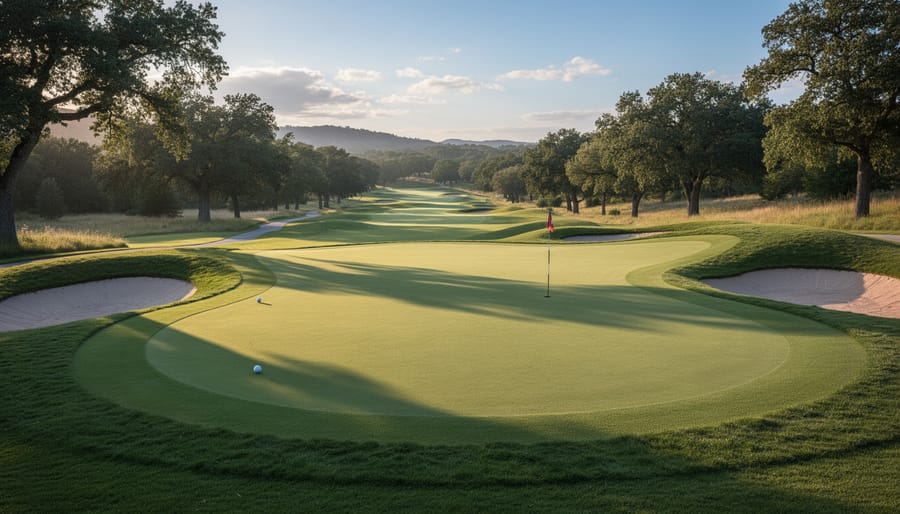
Playing a Stanley Thompson course means reading the land as much as the scorecard. Thompson routed holes to follow natural contours rather than forcing artificial shapes onto the terrain, so you’ll encounter fairways that flow with valleys and greens nestled into hillsides. His bunkering appears effortless, strategically placed to punish wayward shots while rewarding those who work the ball around hazards, but each trap sits exactly where skilled players must make decisions.
The experience demands thoughtful shot-shaping. Doglegs follow the landscape’s natural curves, rewarding draws and fades that match the hole’s rhythm. Elevated tees reveal panoramic views before you commit to your line, and approach shots often play to greens framed by mature trees or mountain backdrops. You’re constantly aware you’re playing through scenery, not just a golf hole.
What stands out is the balance: Thompson courses challenge accomplished players with strategic choices while remaining playable for recreational golfers who can enjoy the setting without battling relentless hazards. The routing creates variety, no two holes feel repetitive, and the pace feels natural, as if the course has always belonged to that exact piece of ground.
Preservation and Restoration Efforts
Preservation work on Thompson courses balances respecting original design intent with meeting modern playing standards. Courses across North America maintain his routing and strategic elements while upgrading infrastructure and turf quality.
St. Charles Country Club began a comprehensive restoration in 2022 that returned all 27 holes to their former glory. The project restored Thompson’s design features across the full layout, including the final nine holes created by his associate Norman Woods. Restoration teams study original plans, aerial photographs, and course records to understand Thompson’s intended shot values and green complexes before making changes.
Other Thompson courses pursue similar authenticity. Restoration efforts typically focus on clearing encroaching vegetation to restore sightlines, rebuilding bunkers to original shapes and depths, and expanding greens to their original dimensions. These projects recognize that Thompson’s designs remain strategic and relevant nearly a century later, they don’t need reimagining, just careful stewardship that honors what made them exceptional from the start.
Notable Stanley Thompson Golf Courses
Fairmont Banff Springs Golf Course

The Stanley Thompson 18 at Fairmont Banff Springs stands as one of golf’s most celebrated mountain courses, carved into the dramatic landscape of the Canadian Rockies in 1927. This par-71 layout stretches 6,938 yards through terrain that few architects have matched for sheer visual spectacle, golfers navigate fairways framed by towering peaks, glacial rivers, and dense evergreen forests that shift color with the seasons.
Thompson routed the course to maximize interaction with the natural topography rather than forcing holes into the mountainside. The result feels less like golf imposed on wilderness and more like golf discovered within it. Strategic bunkering follows the land’s natural contours, and greens sit on natural plateaus or nestle into valleys, requiring approach shots that account for elevation changes as much as distance.
The setting demands attention beyond scorecards. Elk graze the fairways in early morning rounds, and the Bow River threads through several holes, creating both hazard and backdrop. The course operates seasonally due to Alberta’s mountain climate, typically from late spring through early fall when conditions allow play at this elevation.
Thompson designed Banff Springs to reward course management over raw power, narrow landing zones, strategic angles, and elevated greens favor golfers who think several shots ahead. The layout remains largely faithful to the 1927 design, making it a living example of Thompson’s philosophy that great golf courses should celebrate their surroundings rather than dominate them.
St. Charles Country Club
St. Charles Country Club stands as a testament to thoughtful preservation in golf architecture. The club’s comprehensive restoration, which began in 2022, returned all 27 holes to their original design intent, a rare commitment to honoring a complete Thompson vision rather than selectively updating portions of the layout.
What makes St. Charles particularly noteworthy is the restoration’s treatment of the final nine holes, which were created by Norman Woods, Thompson’s trusted associate. Rather than simply updating the Thompson-designed eighteen, the project recognized Woods’ contribution as an integral part of the course’s architectural heritage. This approach reflects a deeper understanding of how design legacies evolve through collaboration, with Woods working within Thompson’s established principles while adding his own strategic elements.
The restoration brought back original bunkering shapes, recovered lost green contours, and reestablished the natural flow between holes that decades of maintenance practices had gradually eroded. For golfers visiting today, St. Charles offers the chance to experience a complete Thompson-era design philosophy across 27 holes, showcasing both the master architect’s work and his collaborator’s complementary vision in a single destination.
Other Thompson Designs
Thompson’s design work extended across Canada and into the United States, with courses appearing in settings from mountain terrain to coastal landscapes. His portfolio includes layouts in Ontario, Quebec, and the Maritime provinces, each adapted to its local topography. While documentation of his complete body of work varies, the courses that survive showcase his consistent approach: routing that follows natural contours, strategic bunkering that rewards thoughtful play, and integration of scenic views into the golfing experience. Many Thompson designs remain in play today, preserved by clubs that recognize their architectural and historical value.
Who Stanley Thompson Courses Are For
Stanley Thompson courses appeal to a wide range of golfers who value strategic design, natural beauty, and golf’s architectural heritage. These layouts reward thoughtful play over pure distance, making them particularly attractive to players who enjoy reading terrain and shaping shots around natural features rather than overpowering a course.
- Architecture enthusiasts who study classic design principles and natural routing
- Golf historians exploring Canada’s design legacy and early-20th-century course construction
- Strategic players who prefer shot-shaping challenges over target golf
- Families seeking scenic golf destinations where beauty enhances the recreational experience
- Heritage golf travelers planning multi-course trips focused on historic designs
Thompson courses suit golfers who appreciate variety in their rounds. The natural terrain creates holes that demand different approaches, keeping play engaging for repeat visitors. Mid-handicappers often find these layouts approachable from forward tees while still offering strategic interest, and families benefit from the walkable nature of many Thompson designs set in picturesque locations.
The physical act of walking these courses provides exercise benefits, golfers can lose weight with golf while experiencing classic architecture. Thompson’s emphasis on scenic routing means these rounds combine fitness with aesthetic enjoyment, making them ideal for golfers who view the game as both sport and recreational experience rather than purely competitive endeavor.
How to Experience Stanley Thompson Golf Courses
Planning Your Visit
Start by identifying which Thompson courses align with your skill level and interests. Review each course’s website for current conditions, layout details, and available amenities. Look for information about practice facilities, rental equipment, and whether walking or riding carts is permitted. Check if courses offer caddie services or require advance booking.
Seasonal timing matters significantly at Thompson courses. Mountain layouts like Banff Springs typically operate from late spring through early fall, while courses in milder climates may offer year-round play. Contact courses directly to confirm opening dates, as weather can affect availability. Early morning tee times often provide the best conditions and pace of play.
Consider accessibility needs before booking. Many Thompson courses feature natural terrain with elevation changes that may affect walking difficulty. Ask about cart path rules, accommodation for mobility devices, and whether particular holes present significant physical challenges.
Research the local area for family-friendly activities beyond golf. Thompson courses often sit in scenic destinations with hiking, dining, and cultural attractions nearby, making them ideal anchors for longer trips where non-golfers can enjoy the surroundings while you play.
What to Expect On-Site
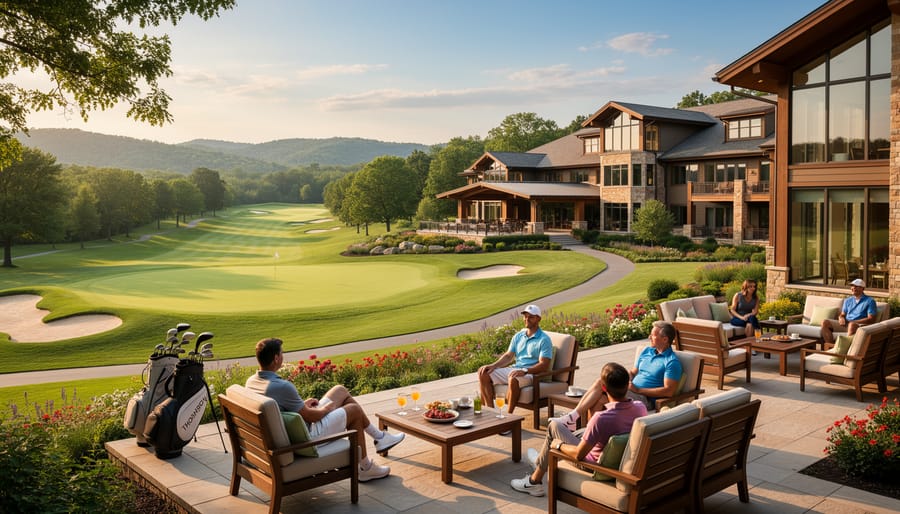
Thompson courses typically offer well-appointed facilities that enhance the day’s experience. Most feature traditional clubhouses with dining areas serving breakfast and lunch, pro shops stocked with equipment and logo apparel, and practice greens where you can warm up before your round. Locker rooms and bag storage are standard at resort and private club venues.
Arrive early enough to walk the practice putting green and get a feel for the greens’ speed. Many Thompson courses sit in naturally beautiful settings, so allow time to take in the views from the clubhouse terrace or any scenic overlooks near the first tee. Families will find that the welcoming atmosphere at these historic courses makes them accessible for players of varying abilities, though checking whether pull carts or walking are permitted helps with planning.
Beyond the round, ask about course history displays or photos in the clubhouse, many Thompson courses preserve archival images and design sketches. The grounds themselves often reward a post-round walk; the routing typically showcases dramatic elevation changes, water features, or mountain backdrops that make for memorable family photos and a deeper appreciation of the architect’s work with the land.
What Stanley Thompson Golf Courses Does
Stanley Thompson golf courses don’t operate as a centralized organization, rather, they represent a collection of individually-owned courses designed by the architect across North America. Each course functions independently under its own ownership and management structure. These layouts preserve Thompson’s architectural vision while offering golfers the chance to experience strategic design principles that emphasize natural terrain and thoughtful shot-making.
Playing a Thompson course means engaging with design elements that reward course management over raw power. The routing typically demands creative shot-shaping, precise weight transfer through sloped lies, and strategic thinking about approach angles. Unlike modern courses built for the driver swing Thompson layouts often present options where a well-placed iron from the tee sets up better scoring opportunities than aggressive bombing.
Many courses maintain Thompson’s original features through restoration projects, like St. Charles Country Club’s 2022 work returning all 27 holes to their original design intent. Others preserve the architect’s vision through careful greenkeeping that honors the strategic bunkering and green contours. For golfers who appreciate the single plane swing or favor positional play, these courses deliver a timeless test that prioritizes thinking over athleticism.
Who It’s For
Stanley Thompson courses appeal to golfers who value design heritage and strategic play over pure distance. If you’re drawn to courses that work with natural terrain rather than overpowering it, these layouts will resonate with you. Architecture enthusiasts appreciate Thompson’s approach to routing and bunkering, which rewards course management and shot-shaping over brute force.
Families seeking scenic golf destinations find Thompson courses particularly appealing. Settings like Fairmont Banff Springs offer memorable experiences beyond the scorecard, mountain vistas, wildlife encounters, and resort amenities that engage non-golfers. The 6,938-yard Stanley Thompson 18 at Banff challenges skilled players while remaining accessible enough for recreational rounds.
Golf travelers planning heritage trips include Thompson courses as anchor stops, particularly those exploring Canada’s golf history. Mid-handicap players often discover these designs suit their game better than modern target golf, as Thompson’s strategic variety rewards smart play at every skill level.
If you’re someone who studies a course before playing it, appreciates restoration efforts like St. Charles Country Club’s 27-hole renewal, or enjoys understanding the “why” behind each hole’s design, Thompson’s portfolio offers rich exploration.
How to Visit, Contact, or Get Involved
Visiting a Stanley Thompson course starts with identifying which designs are within reach of your golf travel plans. Research individual courses directly through their websites to check seasonal opening dates, tee time availability, and current policies. Many Thompson layouts are attached to private clubs or resort properties, so understanding membership requirements or public access windows before you plan helps avoid disappointment.
For courses like Fairmont Banff Springs, contact the resort directly to book tee times and inquire about stay-and-play packages that combine accommodation with rounds. Private clubs with Thompson designs sometimes offer reciprocal play for members of other clubs or host charity events and member-guest days that provide visiting opportunities. Reaching out to the club’s golf shop or membership office clarifies what access options exist.
If you’re considering regular play at a Thompson course near home, explore membership pathways. Some clubs offer trial memberships, junior programs, or family packages that make joining more accessible. For families weighing the investment, resources on affordable golf membership options can help navigate financing solutions that spread costs and make heritage golf a sustainable part of your lifestyle. Engaging with Thompson’s legacy means respecting the courses’ preservation efforts and supporting the stewardship that keeps these designs playable for future generations.
Frequently Asked Questions About Stanley Thompson Golf Courses
What makes Stanley Thompson golf courses distinctive?
Thompson courses are known for their natural integration with the landscape, strategic bunkering that rewards thoughtful play, and exceptional scenic beauty. They emphasize working with existing terrain rather than imposing artificial features.
Are Thompson courses suitable for average golfers?
Yes, while Thompson designs offer strategic depth that challenges skilled players, they’re generally playable for golfers of varying abilities. The courses provide multiple tee boxes and routing options that accommodate different skill levels while maintaining aesthetic appeal.
How can I find Thompson courses to play?
Research individual courses through their websites, as Thompson’s portfolio spans Canada and includes well-documented layouts like the Stanley Thompson 18 at Fairmont Banff Springs in Banff, Alberta. Look for courses that mention Thompson in their historical information or restoration efforts.
What should I know before visiting a Thompson course?
Check seasonal availability, as mountain courses like Banff Springs operate within weather windows. Research course conditions, current yardages, and any restoration work that may have been completed. Many Thompson courses offer family-friendly amenities beyond golf.
Do Thompson courses require advanced booking?
Booking requirements vary by course and season. Popular destinations like Banff Springs typically need advance reservations, especially during peak golf season. Contact courses directly for current availability and booking policies.
Are Thompson courses being preserved or modified?
Many Thompson courses are actively pursuing restoration to return to original design elements. St. Charles Country Club, for example, started its restoration in 2022, returning all 27 holes to their former glory, including the final nine created by Thompson’s associate Norman Woods.
These questions reflect the interests of golfers planning heritage rounds and families seeking scenic golf experiences. Thompson courses combine historical significance with playable challenges, making them destinations worth researching and visiting when your golf travels take you to regions where his work shaped the landscape.