

Netflix’s Full Swing Season 4 premieres April 17, 2026, delivering four episodes that chronicle professional golf’s highest stakes and deepest rivalries through an elite roster including Rory McIlroy, Tommy Fleetwood, Keegan Bradley, and Shane Lowry. The documentary series returns with a more streamlined format than previous seasons (down from eight episodes in Seasons 1 and 2, and seven in Season 3), suggesting a tighter focus on the most dramatic storylines that defined the professional golf season.
This season features eleven tour players navigating the sport’s evolving landscape: veteran stars like Justin Rose and Luke Donald share screen time with rising talents such as Chris Gotterup, Ben Griffin, and Maverick McNealy. The cast also includes J.J. Spaun, Cameron Young, and Tommy Fleetwood, offering viewers an intimate look at the pressure, preparation, and personal sacrifices that separate weekend golfers from those competing at the highest level.
Netflix dropped the trailer on April 2, 2026, giving fans their first glimpse at the season’s central narratives. What makes this installment particularly compelling is its timing: the series captures a period of transformation in professional golf, with established champions defending their legacies while newcomers push to establish their own. The documentary format pulls back the curtain on tournament preparation, mental struggles, and the relationships that sustain or fracture under competitive pressure.
For golf enthusiasts who’ve followed the series since its debut, Season 4 promises the same fly-on-the-wall access that made earlier seasons essential viewing. Whether you’re drawn to the psychological battles, the technical mastery, or simply the human stories behind the scorecards, this season offers a front-row seat to moments that define careers and reshape the sport’s competitive hierarchy.
What Makes Season 4 Different From Previous Seasons
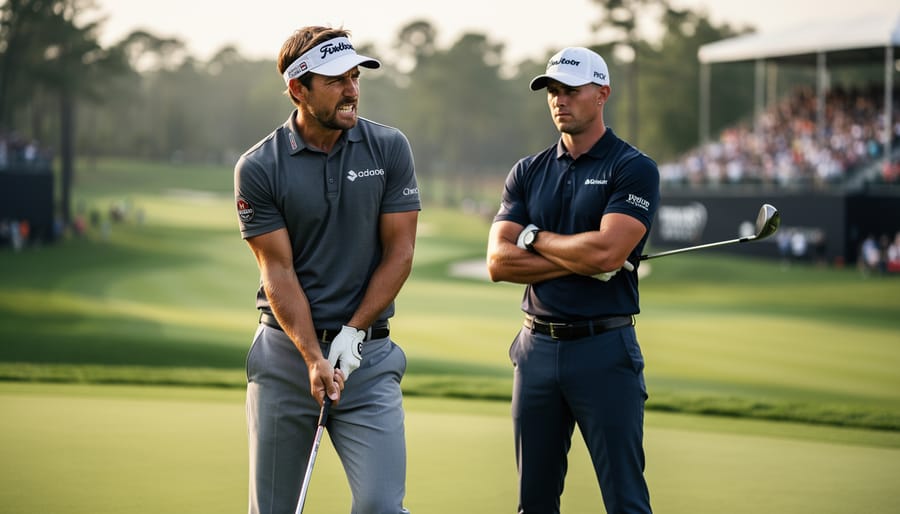
Netflix’s decision to trim Full Swing from eight episodes in its debut seasons to just four for Season 4 represents a calculated shift in storytelling strategy. The first two seasons offered expansive narratives across their eight-episode runs, allowing for leisurely character development and multiple storyline threads. Season 3 tightened slightly to seven episodes, testing whether audiences would embrace a more concentrated approach.
The April 2, 2026 trailer release confirmed that Season 4 would push this compression further, cutting the episode count in half compared to the original seasons. This dramatic reduction signals that Netflix is betting on intensity over breadth. With only four episodes to work with, the production team can’t afford extended behind-the-scenes footage or meandering subplots. Every scene needs to advance the central drama, every interview must reveal something compelling about the players’ internal struggles or competitive fire.
For viewers, this means a denser viewing experience. Where previous seasons might have spread a single rivalry across three episodes, Season 4 will likely condense multiple storylines into tighter arcs. The trailer’s emphasis on high-stakes moments and emotional reactions suggests the editing will favor dramatic peaks rather than the documentary pacing that characterized earlier installments.
This strategic pivot reflects broader trends in streaming content. Audiences increasingly prefer tightly-edited series that respect their time rather than padded seasons that could have been half the length. By delivering four episodes of concentrated golf drama dropping April 17, Netflix is positioning Full Swing as an event series, something to watch and discuss over a weekend rather than a drawn-out commitment. The question is whether compressing eleven featured golfers into four episodes will create explosive storytelling or feel rushed.
The Players Taking Center Stage This Season
Season 4’s tighter four-episode format means Netflix had to be ruthlessly selective about which players made the cut, and the eleven golfers featured represent a strategic mix of golf royalty, rising talent, and compelling narrative arcs that promise genuine drama beyond tournament highlights.
Rory McIlroy anchors the season as perhaps golf’s most recognizable face, bringing both his four major championships and his well-documented struggles to add a fifth. His presence guarantees intensity, McIlroy’s emotional investment in his legacy and his candid nature make him the series’ most watchable personality. Viewers familiar with the power behind the Rory McIlroy driver will get to see the mental game behind those 320-yard bombs, including the pressure that comes with being labeled “overdue” for major success.
| Player | Career Stage | Storyline Focus | Why They Matter |
|---|---|---|---|
| Rory McIlroy | Veteran (4 majors) | Quest for elusive fifth major | Golf’s biggest name carries emotional weight of unfulfilled potential |
| Luke Donald | Ryder Cup Captain | Leadership pressure, team dynamics | Offers behind-scenes captain perspective rarely shown |
| Keegan Bradley / Tommy Fleetwood | Established stars | Career resurgence, consistency battles | Mid-career reinvention stories resonate with audiences |
| Cameron Young / Maverick McNealy | Rising talent | Breaking through, handling expectations | Fresh faces bring hunger and relatability |
| Chris Gotterup / Ben Griffin / J.J. Spaun | Tour journeymen | Fighting for security, proving worth | Humanizes the struggle behind PGA Tour glamour |
Luke Donald’s inclusion as Ryder Cup captain provides a completely different lens, the weight of managing egos, making lineup decisions, and carrying European golf’s expectations. This leadership storyline contrasts sharply with the individual pressure the other players face and offers tactical insight into golf’s premier team event.
The mix of rising stars like Cameron Young and Maverick McNealy brings genuine uncertainty to the narrative. These players haven’t yet achieved breakthrough wins that cement careers, so their featured moments likely capture pivotal crossroads, the difference between becoming a tour staple or fading into the pack. Their storylines carry more suspense than following established champions.
Tommy Fleetwood, Shane Lowry, and Justin Rose represent seasoned competitors still chasing consistency and additional major glory. Lowry’s 2019 Open Championship proves he can win big, but the years since have brought the quiet desperation of trying to recapture that magic. Fleetwood’s near-misses in majors make him perpetually compelling, always close, rarely triumphant.
The inclusion of players like Chris Gotterup, Ben Griffin, and J.J. Spaun, names casual fans might not recognize, signals Netflix’s commitment to showing golf’s full spectrum. These aren’t just spotlight athletes; they’re professionals fighting to keep tour cards, earn sponsor exemptions, and prove they belong. Their struggles ground the series in reality and remind viewers that even PGA Tour players face job insecurity and self-doubt.
This cast doesn’t just represent talent levels; it spans generations, nationalities, and career stages, ensuring the four episodes can pivot between different types of pressure and personal investment that make elite golf emotionally draining.
The Rivalries and Drama That Define This Season

Golf at the professional level is a mental and emotional crucible where every shot carries the weight of reputation, livelihood, and legacy. Season 4 captures this pressure through storylines that transcend scorecards and leaderboards.
The most compelling narrative thread centers on Rory McIlroy, whose pursuit of major championship glory has defined his career’s greatest frustration. Since 2014, McIlroy has contended repeatedly at majors without breaking through, and the emotional toll of those near-misses creates a storyline that resonates far beyond golf fans. Watching an athlete grapple with their own expectations while the world watches offers universal drama, the kind that makes competitive sports compelling whether you understand the rules or not.
Luke Donald’s role as Ryder Cup captain introduces a different dimension of pressure. Leading a team means shouldering the burden of selection decisions, strategy calls, and managing personalities under intense scrutiny. The captain’s challenge isn’t about executing perfect shots but about navigating egos, reading momentum shifts, and making choices that can define careers. Donald’s captaincy storyline likely captures the weight of leadership in high-stakes competition, where second-guessing is immediate and relentless.
The younger players, J.J. Spaun, Chris Gotterup, Ben Griffin, and Maverick McNealy, bring a different tension. These are golfers fighting to establish themselves, where every tournament matters for tour status, sponsorships, and proving they belong among the elite. Their battles aren’t just against other players but against self-doubt and the relentless grind of professional golf. The contrast between established stars protecting legacies and rising players building them creates narrative friction.
Tommy Fleetwood and Shane Lowry represent the grinders, talented players who’ve tasted major success but work constantly to stay relevant at the highest level. Justin Rose and Keegan Bradley carry similar weight, veterans whose windows for winning championships narrow with each passing season. These storylines explore what drives athletes who’ve already achieved more than most: the refusal to fade, the need to prove something to themselves.
The condensed four-episode format suggests Netflix is focusing on these pressure points intensely rather than spreading drama thin across more episodes, delivering concentrated emotional arcs that hook viewers immediately.

How Full Swing Inspires Golf Enthusiasm Beyond the Screen
Watching elite golfers like Rory McIlroy and Tommy Fleetwood battle through pressure in Full Swing Season 4 does more than entertain, it sparks a deeper appreciation for the mental and physical demands every golfer faces, from tour professionals to weekend players. The documentary pulls back the curtain on the emotional weight of high-stakes competition, revealing how even the world’s best athletes struggle with doubt, frustration, and the relentless pursuit of perfection.
That connection between screen and course runs both ways. Seeing Shane Lowry or Justin Rose work through swing mechanics under pressure might inspire you to focus on your own weight transfer during your next round, or recognize that golf’s physical challenges can genuinely help you lose weight with golf while enjoying the outdoors. The show reminds viewers that golf rewards patience, practice, and persistence, qualities accessible to anyone willing to step onto a course.
For those in the Greater Toronto Area inspired to experience the game’s scenic beauty firsthand, courses like The Lakes Golf Club offer a welcoming environment for families and new players without the intimidation factor. With affordable golf membership options available, picking up the sport after watching Season 4’s drama unfold becomes less daunting and more attainable.
Full Swing Season 4 arrives April 17, 2026 with a leaner, meaner approach that proves sometimes less is more. The decision to trim from eight episodes to just four forces every moment to count, eliminating filler and keeping the focus locked on the raw emotion and high-stakes competition that makes professional golf so compelling. With eleven players navigating career-defining pressure, personal rivalries, and the mental warfare that separates champions from near-misses, this season delivers the kind of intimate access that transforms casual viewers into invested fans.
What makes this documentary series culturally significant extends beyond entertainment value. Full Swing has fundamentally changed how people perceive golf, stripping away the country club stereotypes to reveal the athletic intensity, psychological battles, and genuine human drama that define the sport at its highest level. For every viewer who watches Rory McIlroy or Keegan Bradley wrestle with pressure on screen, countless others feel inspired to pick up clubs themselves and experience the game’s unique blend of challenge and beauty.
When Season 4 drops on Netflix this April, it offers both a masterclass in elite competition and an invitation to understand why golf captivates millions. Whether you’re drawn to the strategic chess match, the athletic precision, or simply the chance to spend time outdoors pursuing personal improvement, the documentary reveals layers that make the sport endlessly compelling for players and spectators alike.