

The impact position in your golf swing is the moment when the clubface meets the ball, and achieving it correctly means arriving with hands ahead, weight shifted forward, hips open, and the clubhead square to your target. But here’s the paradox that trips up most golfers: impact isn’t something you create at the ball. It’s the natural result of positions you establish much earlier in your swing, particularly at the top of your backswing and during transition.
If you’ve been struggling with inconsistent ball striking, thin shots, or a nagging slice, the culprit is often a faulty impact position. The challenge is that when golfers become overly ball-focused, their entire swing ends at contact and all the energy releases too early. You can’t consciously manipulate your body into the right positions during the fraction of a second when club meets ball.
The solution lies in shifting your intention beyond the ball and building the foundations that make solid impact automatic. Think of impact as the most important part of your swing that you should never think about while swinging. Instead, your practice should focus on balanced posture, stacked joints, a stable base through what instructors call a “tripod foot” (pressure through your heel, big toe, and little toe), and keeping your upper body from getting too far off the ball during transition.
Whether you’re working on your game at the practice range or fine-tuning your technique during a round on a beautiful course, understanding that impact quality starts with setup and intention will transform how you approach every shot.
What You’ll Need to Practice Impact Position
You don’t need much to start improving your impact position. The beauty of this work is its simplicity, a few basic items and the right practice environment will get you where you need to go.
Here’s what to gather:
- Your regular golf club (any iron works, though a 7-iron is ideal for most drills)
- Golf balls for the range, or practice without them to focus purely on motion
- A full-length mirror or smartphone with video capability for position feedback
- Optional: alignment sticks to check body angles and club path
- Optional: impact bag or towel for feel drills without hitting balls
The practice facilities at The Lakes Golf Club offer everything you need to refine these fundamentals. The spacious driving range gives you room to work through drills with immediate ball flight feedback, while the short game areas let you groove positions with smaller swings. What sets the club apart is the seamless transition from range work to on-course practice, you can take what you’ve learned in front of the mirror straight onto the scenic fairways where real golf happens. The varied terrain across three distinct courses means you’ll encounter different lies and slopes that test whether your impact fundamentals hold up beyond the flat mat.
Understanding What Not to Do: Common Impact Position Mistakes
Before you start refining your swing mechanics, it’s crucial to recognize the mistakes that can sabotage your progress. Understanding these common errors acts as your safety net, preventing you from ingraining bad habits that are harder to undo than they are to avoid from the start.
The first and most damaging mistake is becoming hyperfocused on the ball itself. When your entire attention locks onto that small white sphere, something counterproductive happens: your swing begins to end right at impact. This ball fixation causes you to release all your energy too early, leading to a collapsed position where your body crumples rather than extends through the shot. You’ll know this is happening if you feel like you’re hitting at the ball instead of through it, or if your divots appear before the ball position rather than ahead of it.
Another red flag is getting too far off the ball with your upper body during the backswing. This lateral shift away from your target creates a recovery problem: you’ll struggle to return to proper positions on the downswing, forcing compensations that prevent solid contact. Your upper hub (chest and shoulders) should rotate rather than sway excessively away from the ball.
Paradoxically, the moment of impact is simultaneously the most important part of your swing and something you should never actively manipulate while swinging. Trying to consciously steer your body or club into specific impact positions creates tension and disrupts the natural flow you need for consistency. If you’re battling these issues repeatedly, it may be time to step back and fix your swing from the ground up rather than patching over symptoms.
Building Your Foundation: Pre-Swing Fundamentals

Before your club ever moves, three setup fundamentals must lock into place. These pre-shot elements form the foundation that allows impact position to happen naturally, no mid-swing adjustments required.
Think of your setup as loading the spring. Get these fundamentals right, and the energy you build through your backswing will flow cleanly into the ball. Skip them, and you’ll spend the entire downswing trying to salvage positions that should have been set from the start.
Here’s how to establish that foundation before every shot:
- Create your tripod foot by pressing into three points: your heel, big toe, and little toe. This pressure distribution anchors your base and prevents swaying during the swing. You should feel equally grounded through all three points, with no weight rolling toward your arches or the outside edges of your feet.
- Stack your joints from the ground up. Your knees should sit directly over your ankles, hips over knees, shoulders over hips. This vertical alignment creates stability and allows natural weight transfer without compensations. Check this by having someone view you from face-on, your joints should form a straight line up from the ground.
- Find balanced posture by hinging from your hips, not rounding your spine. Your chest should stay open, shoulder blades pulled together slightly, with a natural curve in your lower back. This athletic posture lets your core support the swing while keeping your upper body mobile enough to turn.
These three elements work together to create what golfers call “connection”, your body functions as one unit instead of separate pieces fighting each other. When your base is stable and your joints are stacked, you can rotate freely without losing your center.
The beauty of nailing these fundamentals is that they solve impact problems before your swing even starts. A solid tripod foot keeps you from sliding forward and flipping the club. Stacked joints ensure you can shift pressure properly without early extension. Balanced posture lets you maintain your spine angle through the ball.
Practice this sequence on the range at The Lakes Golf Club until it becomes automatic. The varied terrain across the three courses will test your foundation, uphill lies, sidehill stances, wind across the water, but if these fundamentals are locked in, your impact position stays consistent regardless of conditions.
The Backswing Setup: Starting Impact Position at the Top
Your impact position doesn’t begin when the clubhead meets the ball, it starts forming at the very top of your backswing. The alignments and positions you establish there, combined with how you initiate your downswing, create the pathway for everything that happens at impact. Understanding this connection means you can stop trying to manipulate positions at the ball and instead focus on the earlier moves that naturally produce solid contact.
At the top of your swing, your upper hub (your chest and shoulders) shouldn’t drift too far away from the ball. When golfers sway excessively off the ball during the backswing, they create a recovery problem on the way down, they either hang back and lose power, or they lunge forward and lose consistency. Keep your upper body relatively centered while allowing your lower body to load properly. Your wrist hinge and shoulder turn create the coil you need without requiring a dramatic lateral shift.
The transition from backswing to downswing is where impact position truly takes shape. Initiate the downswing with your lower body, your hips, legs, and feet start the movement back toward the target. Meanwhile, keep your upper body more closed off for a split second longer. This separation, often called the “X-factor stretch,” creates the lag and delivery angle that produce powerful, compressed contact. When your lower body leads and your upper body follows, you’re creating space for the club to approach from inside the target line with a descending blow.
This sequencing isn’t something you manufacture at the ball itself. The proper transition mechanics set everything in motion, and your body simply responds to the momentum and forces you’ve created. When you feel that lower-body-first move with your upper body trailing slightly behind, you’re building the foundation for the impact alignments you’re after. The positions happen as a result of this sequence, not as independent targets you try to hit while the club is moving at speed.
The After-Ball Drill: Shifting Your Focus for Better Impact
Why This Drill Works
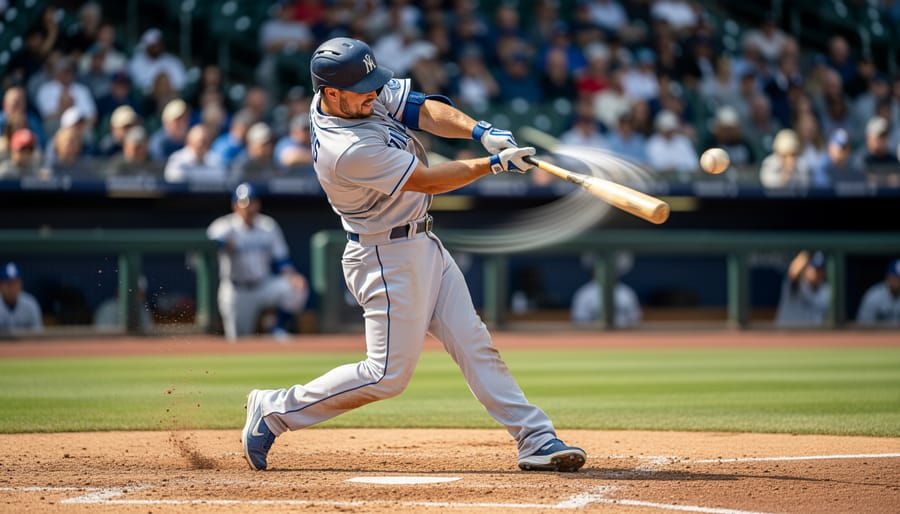
The after-ball drill works because it directly attacks the most common flaw in amateur swings: collapsing at impact. When you’re ball-focused, your brain treats contact as the finish line. Everything shuts down right there, your body stops rotating, your hands flip through early, and all that stored energy dumps before the club ever reaches the ball. It’s a premature release that robs you of distance and consistency.
Shifting your intention past the ball changes everything. Your body naturally holds its structure longer because it knows the motion isn’t done yet. The lower body keeps driving, your core stays engaged, and your hands delay their release until after contact. You’re not consciously manipulating positions; you’re simply redefining where the swing ends.
This is as much psychology as mechanics. Your subconscious controls swing speed and timing far better than your conscious mind ever could. By moving your attention six inches past the ball, you give your body permission to accelerate through impact rather than to it. The drill exaggerates the feeling initially, but that exaggeration is what breaks the old pattern. Over time, proper energy transfer becomes automatic, exactly how impact position should feel.
How to Practice It at The Lakes
Start by dedicating range sessions to the after-ball drill before taking it to the course. The Lakes’ practice facilities let you groove the feel in a controlled environment, hitting balls with that exaggerated focus on your finish position rather than the moment of contact. Once you’re comfortable with the sensation, move to the course itself.
The three distinct layouts at The Lakes offer perfect variety for ingraining this drill. The parkland-style holes demand precise strikes through impact, while the links-style terrain forces you to maintain that after-ball focus even when the ball sits on uneven lies. Play shorter approach shots first, where you can really feel how shifting your intention changes your delivery. As you learn how to play different course conditions, you’ll discover that the after-ball focus works regardless of slope or firmness.
Between holes, take practice swings with your eyes closed, feeling the weight transfer into your lead foot well past where the ball would be. This sensory reinforcement, combined with the varied shots the courses demand, helps transform the drill from a range exercise into an ingrained swing pattern you can trust on every shot.
Checking Your Results: How to Know You’re Getting It Right
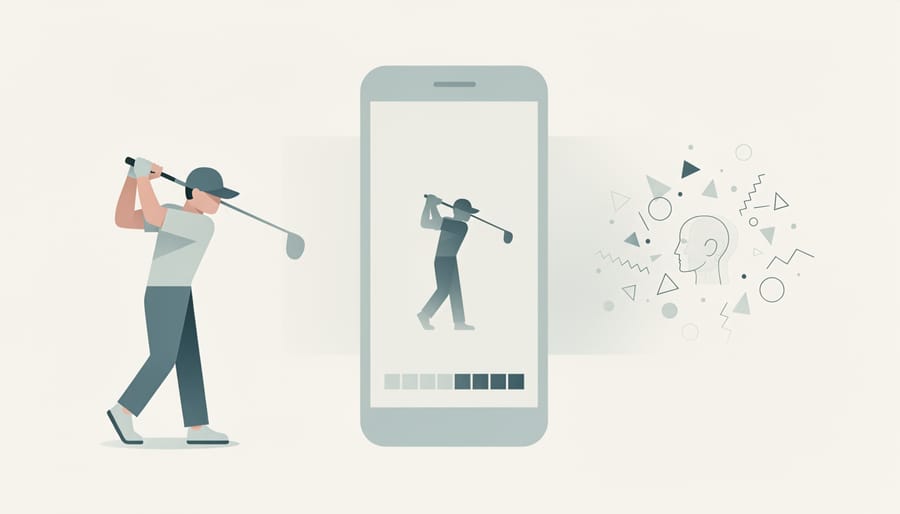
Proper impact position reveals itself through clear, consistent feedback that you can monitor without consciously manipulating your swing. Learning to recognize these success signals transforms practice from guesswork into purposeful improvement, giving you reliable checkpoints that confirm whether your fundamentals and drills are working.
Ball flight tells the primary story. Solid contact produces a distinct feeling and sound at impact, and you’ll see a consistent, predictable trajectory shot after shot. When impact position is right, the ball launches with the appropriate spin and flies the distance you expect without unexpected curves or ballooning. The shot feels effortless rather than forced.
Your body provides equally important feedback through sensation. Proper impact creates noticeable pressure in your lead foot, particularly through that tripod of heel, big toe, and little toe. Your core stays stable and connected rather than collapsing or sliding. You finish balanced with most of your weight forward, not stuck on your trail side or losing equilibrium.
Visual checkpoints confirm what you felt:
- Divot location starts just ahead of where the ball sat, not behind it
- Divot shape appears shallow and extends toward the target, not deep or pointed off-line
- Your chest faces slightly left of target at follow-through (for right-handed golfers)
- Hips have fully rotated through rather than stalling
- Trail shoulder finishes lower than lead shoulder
Video or mirror work helps verify these positions, but use them sparingly. Record a few swings to spot major patterns, then put the camera away and focus on feel. Constant video analysis creates the very conscious thinking about impact that undermines natural movement. Check your positions between practice sessions, not during them. The goal is building swing feels you can replicate without monitoring every detail.
Frequently Asked Questions About Impact Position
Should you practice impact position drills or just swing naturally and let it happen? Many golfers wonder about the best approach to developing better positions at the moment of contact. The answers might surprise you, especially regarding what you should actually think about during your swing.
Should I think about impact during my swing?
No. Impact is the most important part of your swing that you should never think about while swinging. Instead, focus on balanced posture, stacked joints, and a stable base before each shot, then let those fundamentals create the proper impact position naturally.
How long does it take to develop consistent impact position?
Development time varies based on your current swing patterns and practice frequency, but most golfers notice improvement within a few weeks of dedicated drill work. The key is building the pre-swing fundamentals and shifting your intention beyond the ball rather than trying to manipulate positions consciously during the swing.
Can I practice impact position without hitting balls?
Absolutely. Working on your posture, creating the tripod foot pressure through your heel, big toe, and little toe, and rehearsing proper backswing positions in front of a mirror builds the foundation for better impact. Many golfers find that slow-motion rehearsals without a ball help them understand the positions more clearly.
What’s the difference between impact position and impact?
Impact is the single moment when the club contacts the ball, while impact position refers to the body and club alignments at that moment. These positions actually started at the top of your backswing and result from proper fundamentals rather than conscious positioning at the ball.
The most effective path forward combines building the easiest golf swing fundamentals with drills that shift your focus beyond the ball. Remember that creating better delivery isn’t always about mechanics, your intention matters just as much. When you get very ball focused, your entire swing ends at the ball and all the energy releases early, which prevents solid contact. Practice these concepts regularly, verify your progress through ball flight and feel, and trust that proper impact will happen as a natural result of everything you’ve built earlier in your swing.
Here’s the paradox every golfer must embrace: impact position is the most important part of your swing that you should never think about while swinging. The moment you consciously try to manipulate your club or body at the ball, you’ve already released your energy too early and collapsed the swing. Instead, impact is something you earn through proper preparation and intention.
Build your foundation first. Balanced posture, stacked joints, and a stable base, your tripod foot pressing through heel, big toe, and little toe, set everything in motion. Create your ideal alignments at the top of the backswing by keeping your upper hub close to center while initiating the downswing from the lower body. Then shift your focus beyond the ball, letting impact happen naturally as you swing through to your finish position.
These aren’t concepts you master in one session. They require repetition in varied conditions until the feel becomes second nature. The Lakes Golf Club offers the perfect environment to ingrain these fundamentals, with practice facilities overlooking stunning water views and three distinct courses that challenge you to apply your improved swing in real playing conditions. Whether you’re working with an instructor or practicing solo, our family-friendly atmosphere welcomes golfers at every skill level.
Stop by and discover how the right environment transforms practice into progress.